
Last updated October 16, 2026
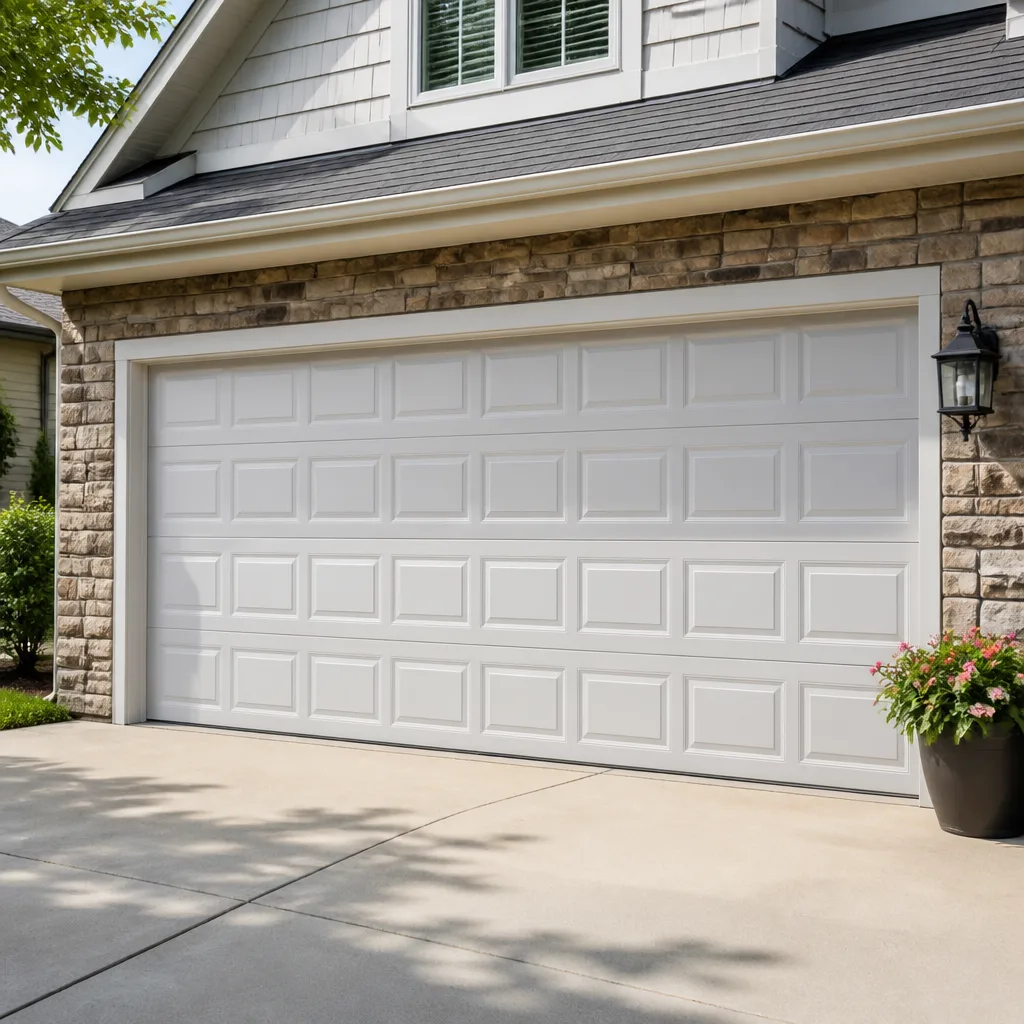 Raised-panel steel
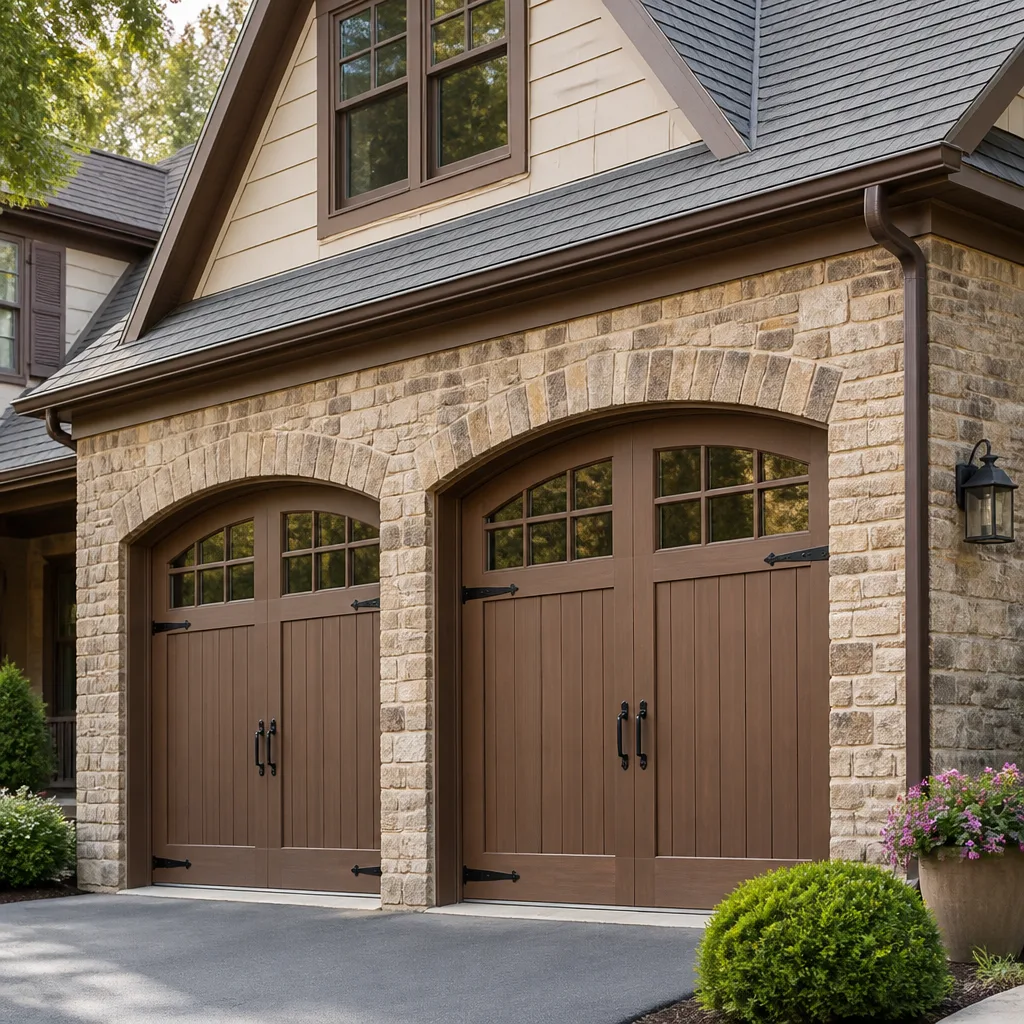 Carriage house
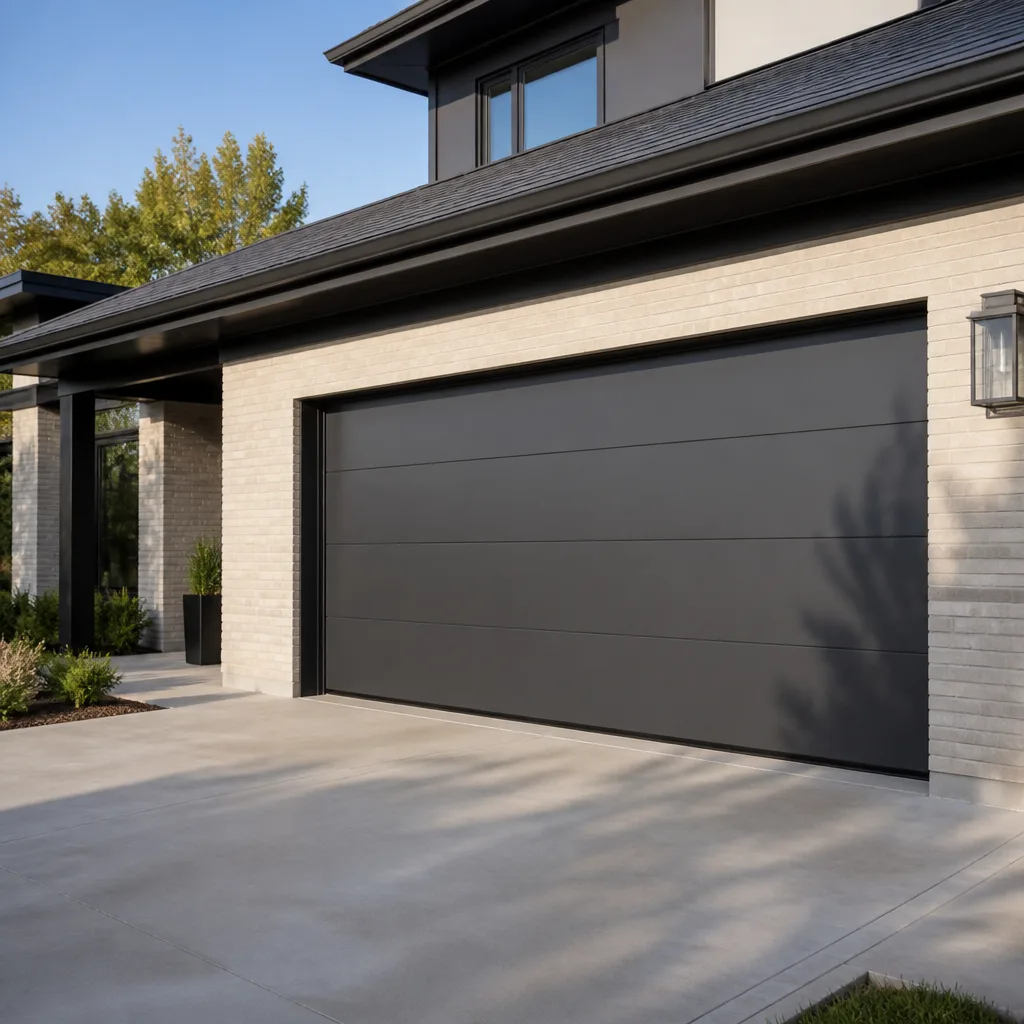 Modern flush
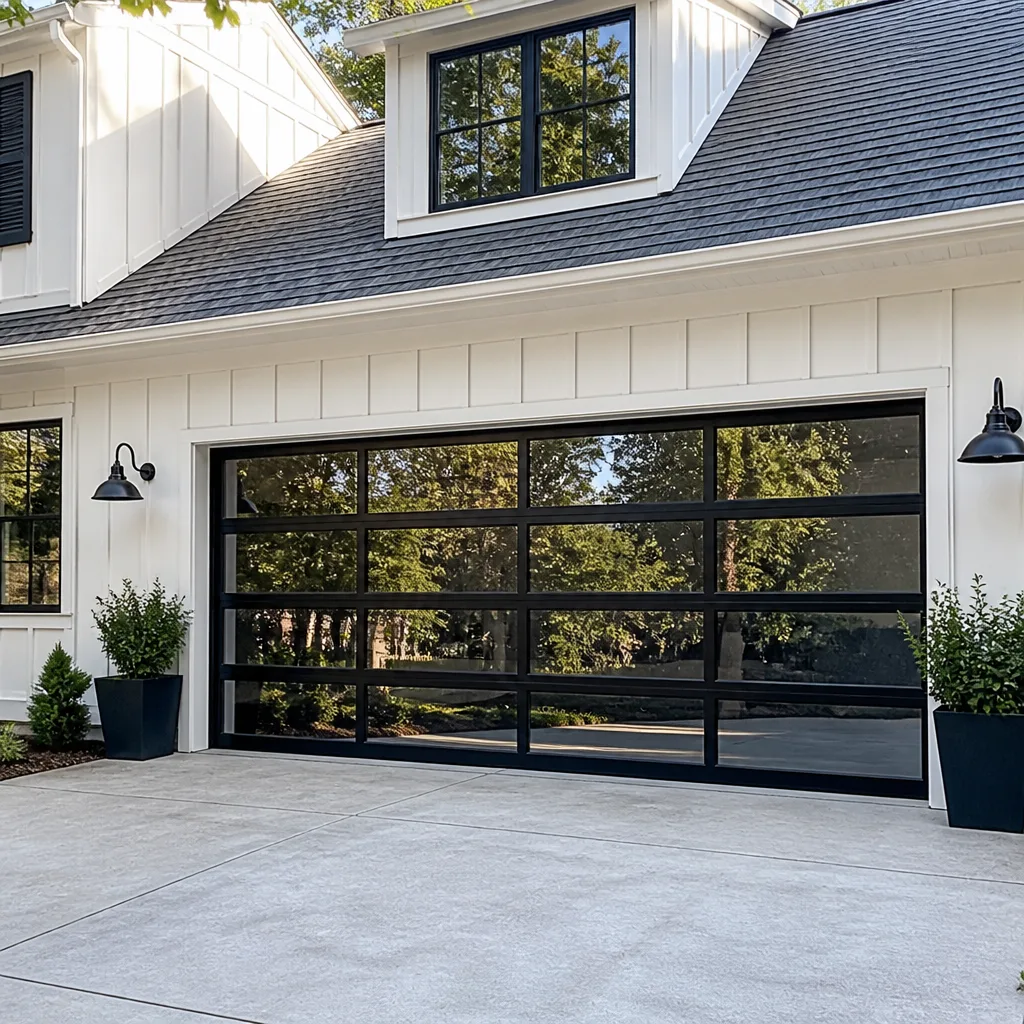 Full-view glass
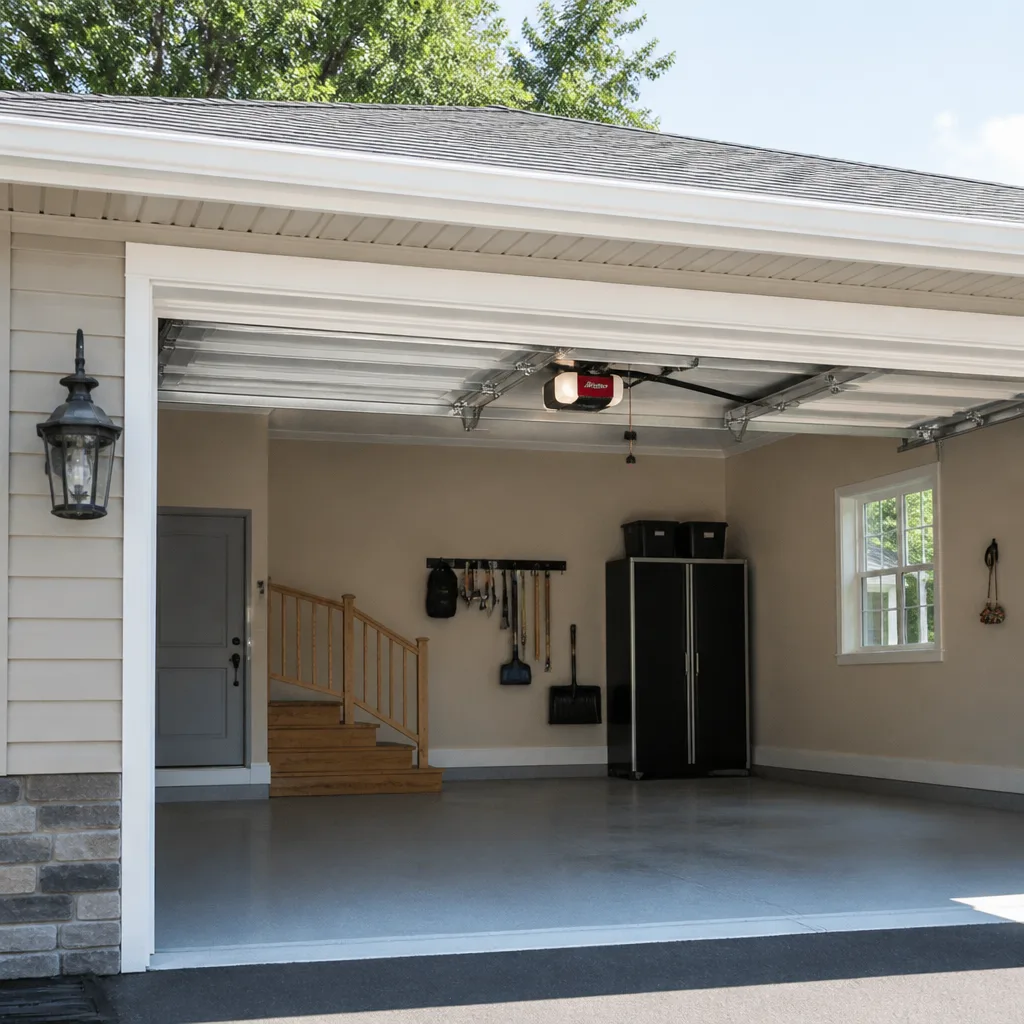 LiftMaster openers
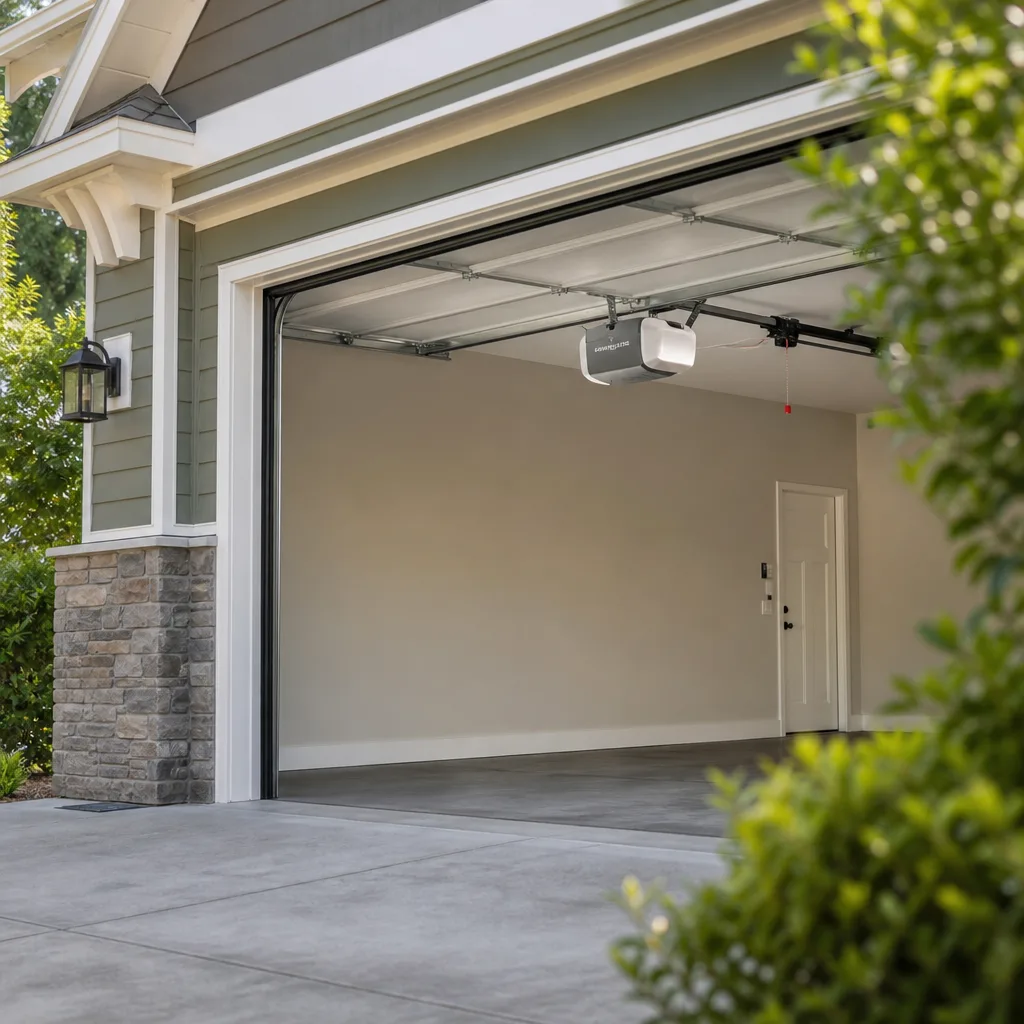 Chamberlain openers
Full 25-point door and opener safety check with every visit - springs, cables, rollers, tracks, and your LiftMaster or Chamberlain opener included
You get a price before we start. It does not change when the truck arrives.
Get your free estimateGarage Door Permits, Codes & Inspections in FL: What You Need to Know
Here’s the counterintuitive part: most Tampa homeowners assume a garage door swap is a simple, no-permit job. Then a hurricane rolls through, the door fails, and the insurance adjuster asks one question: was your replacement permitted? If the answer is no, the claim gets denied. Florida’s building code treats garage doors as structural wind-load components, not cosmetic upgrades. This guide walks through exactly when a permit is required in Hillsborough County, what inspectors actually check, and how to avoid the compliance trap that bites homeowners at the worst possible moment. For Garage Door Warning Signs: A Tampa Homeowner’s Reference Guide, see our related resource.
Styles & brands we work with
Quick Answer
In Florida, a garage door replacement requires a permit when the door is part of the building’s wind-load resistance system, which includes nearly every residential garage door in Tampa’s high-velocity hurricane zone. Hillsborough County requires a permit for most garage door replacements, not just new installations, unless the replacement is truly like-for-like with a Florida Product Approved door. The permit typically costs $75 to $150 and requires an inspection that verifies proper anchoring and wind-load compliance.
Table of Contents
- When Is a Garage Door Permit Required in Florida?
- How the Hillsborough County Permit Process Works
- Florida Product Approval: Why It Decides Whether Your Door Passes
- What “Like-for-Like Replacement” Actually Means
- Wind-Load Codes: What Tampa’s Climate Forces Your Door to Handle
- What an Inspector Actually Checks on a Residential Garage Door
- How Unpermitted Garage Door Work Shows Up During a Home Sale
- Common Mistakes to Avoid
- When to Call a Professional
- Frequently Asked Questions
- The Bottom Line
When Is a Garage Door Permit Required in Florida?
The short answer: more often than most people think. Under the Florida Building Code (FBC), a garage door permit is required whenever the door serves as part of the building’s Wind-Borne Debris Region protection system or when the replacement changes the door’s structural anchoring. In Tampa, which sits inside the High Velocity Hurricane Zone (HVHZ) wind-borne debris region, that covers nearly every residential garage door.
Here’s the threshold that triggers a permit:
- Replacement with a different door model or manufacturer: If the new door has a different Florida Product Approval number than the old one, you need a permit. The anchoring requirements change with the door’s wind-load rating.
- Changing the door size or opening dimensions: Any modification to the rough opening, even a few inches, requires a permit because the structural header and jambs are now bearing different loads.
- Switching from a non-wind-rated door to a wind-rated door: This is actually a good change, but it still requires a permit because the anchoring system changes from standard track bolts to through-bolts or strap anchors.
- Converting a single door to a double door or vice versa: The center post or mullion changes the wind-load path entirely. A permit is mandatory.
- New construction or adding a garage: Obvious, but worth stating: any new garage door installation requires a permit, full stop.
What does NOT require a permit in most cases:
- Replacing panels only, as long as the track, springs, and anchoring remain untouched and the replacement panels are from the same manufacturer with the same approval number.
- Repairing a spring, cable, or roller. Our garage door spring repair in Tampa work, for example, doesn’t require a permit because it doesn’t alter the door’s structural connection to the building.
- Replacing weatherstripping, seals, or the bottom rubber.
The distinction that confuses homeowners: a “repair” that restores the door to its original condition doesn’t need a permit, but a “replacement” that swaps the whole door assembly does. The Florida Building Code draws that line at whether the door’s wind-load resistance or anchoring system changes.
How the Hillsborough County Permit Process Works
Hillsborough County handles garage door permits through its Development Services department, and the process has moved mostly online since 2020. Here’s the step-by-step flow:
- Confirm the door’s Florida Product Approval. Before you submit anything, look up the exact door model in the Florida Department of Business and Professional Regulation (DBPR) Product Approval database. Write down the approval number (it starts with “FL” followed by digits). Your permit application will ask for it.
- Submit the permit application online. Hillsborough County uses an e-permitting portal. You’ll need the property address, the door manufacturer, the model number, the Product Approval number, and the contractor’s license information if a licensed contractor is doing the work.
- Pay the fee. Garage door permits in Hillsborough County typically run $75 to $150 for residential work, depending on the door’s value and whether it’s a straight replacement or includes structural modifications. The exact fee is calculated at submission.
- Wait for approval. Simple garage door replacements usually get approved in 1 to 3 business days if the paperwork is complete. Anything with structural modifications takes longer, sometimes 2 to 3 weeks, because it goes to a plans reviewer.
- Schedule the inspection. Once the door is installed, you call or book online for a final inspection. Hillsborough County typically completes inspections within 1 to 2 business days of the request.
- Pass the inspection and close the permit. The inspector signs off, the permit is closed, and you have a paper trail that satisfies insurance and future home sales.
One thing we’ve learned from years of garage door work in Tampa: the permit process itself is not the hard part. The hard part is knowing whether you need one in the first place. Homeowners who skip the permit often do so because they didn’t realize the threshold existed, not because they were trying to cut corners. Our How to Hire a Garage Door Contractor in Tampa: A Step-by-Step Guide can help you find a pro who handles permits properly.
Florida Product Approval: Why It Decides Whether Your Door Passes
Florida is one of the only states that maintains a mandatory statewide product approval database for building components that resist wind loads. Every garage door sold and installed in Tampa’s wind-borne debris region must carry a Florida Product Approval number. This number is how an inspector verifies that the specific door model has been tested to withstand the wind pressures required for your exact wind zone.
Here’s how to look up a door before you buy it:
- Go to the DBPR’s Building Code Information System (BCIS) website.
- Search by manufacturer name, product category (exterior doors), or the FL approval number if you already have it.
- Verify that the approval is active. Approvals expire, and an expired approval is as useless to an inspector as no approval at all.
- Check the wind zone on the approval against your property’s wind zone. Tampa sits primarily in wind zone 3 (140 to 150 mph design wind speed), but properties closer to the bay or in South Tampa can sit in higher zones.
- Print or save the approval page. You’ll reference it during the permit application and again at inspection.
Why this matters in practice: we’ve seen Tampa homeowners buy a beautiful door from a big-box store, only to discover at inspection that the model carries no Florida Product Approval for their wind zone. The inspector red-tags the installation, the permit can’t close, and the homeowner is stuck with a door they can’t legally keep. That’s a $1,500 to $3,000 mistake, before you even factor in removal and reinstallation.
Major brands you can count on for Florida Product Approved doors include Clopay, Amarr, and Wayne Dalton. LiftMaster and Chamberlain openers are a separate component approval; openers don’t require structural approval, but they do need to be listed for use in Florida’s humid climate.
What “Like-for-Like Replacement” Actually Means
This is where most Tampa homeowners get into compliance trouble. The phrase “like-for-like replacement” sounds simple: swap the old door with an identical new one, no permit needed. But the Florida Building Code’s definition is narrower than common sense suggests.
A true like-for-like replacement meets ALL of these conditions:
- The new door is the same manufacturer as the old door.
- The new door is the same model or series with the identical Florida Product Approval number.
- The door’s dimensions are identical – not just width and height, but panel thickness and track configuration.
- The anchoring system is unchanged. Same bolt pattern, same fasteners, same attachment points.
- The design wind pressure rating is the same or lower than the original.
Here’s the misunderstanding: homeowners assume “like-for-like” means “any door that fits the same opening.” That’s wrong. If your 2008 Clopay door is replaced with a 2024 Clopay door of a different model, the Product Approval number is different, the wind-load testing is different, and the anchoring requirements are likely different. That means a permit is required.
When does a true like-for-like apply? When the exact same door model is still in production and you’re literally swapping like for like. Even then, Hillsborough County wants to see documentation. In practice, most garage door replacements in Tampa are NOT like-for-like, which means most garage door replacements need a permit.
If you’re unsure whether your replacement qualifies, call the building department before you do the work. A ten-minute phone call can save you a denied insurance claim or a failed home inspection down the road.
Wind-Load Codes: What Tampa’s Climate Forces Your Door to Handle
Tampa sits in one of the most demanding wind-load regions in the country. The Florida Building Code assigns design wind speeds based on a property’s location, and most of Tampa falls into the 140 to 150 mph range. Your garage door is the largest single opening in your home, and when wind-driven debris hits it, the door becomes either your home’s first line of defense or its weakest point.
The code requires garage doors in Tampa’s wind-borne debris region to meet these standards:
- Missile impact resistance: The door must withstand a 9-pound 2×4 traveling at 34 mph without being penetrated. This is the “large missile” test, and it simulates the debris that flies through the air during a hurricane.
- Cyclic wind pressure testing: The door must survive repeated pressure cycles that simulate a hurricane’s sustained winds, not just a single gust.
- Anchoring requirements: The track and jamb brackets must be attached with fasteners that transfer wind loads into the home’s structural frame, not just into the drywall or trim.
- Specific product approval: The door must carry a Florida Product Approval that lists the tested wind zone matching your property.
Why this matters beyond code compliance: your homeowner’s insurance policy in Hillsborough County almost certainly includes a windstorm deductible and specific exclusions for unpermitted work. If your garage door fails during a named storm and the insurance company’s adjuster discovers the door was replaced without a permit or without a Florida Product Approved model, the claim denial is nearly automatic. We’ve seen this happen to Tampa homeowners in Carrollwood, Westchase, and South Tampa. The insurance savings from skipping a $100 permit evaporate the moment a $12,000 claim gets denied.
The practical takeaway: in Tampa’s climate, a garage door permit is not bureaucratic busywork. It’s documentation that your home’s largest opening actually meets the wind-load standard your insurance policy assumes it meets.
What an Inspector Actually Checks on a Residential Garage Door
Hillsborough County garage door inspections are surprisingly focused. The inspector is not evaluating aesthetics or checking your opener’s remote range. They’re verifying one thing: that the installed door matches the permitted door and that it’s anchored to resist wind loads as the Product Approval requires.
Here’s what the inspector will look at, in order of importance:
- Product Approval match. The inspector verifies the installed door’s model and FL approval number match what’s listed on the permit application. If they don’t match, the inspection fails immediately.
- Anchoring and fasteners. The inspector checks that the tracks are attached to the jambs with the correct fasteners (typically through-bolts or approved lag screws) at the spacing specified in the Product Approval.
- Jamb reinforcement. In many Tampa homes, the garage door jambs are reinforced with steel or engineered wood. The inspector verifies this reinforcement is present and properly connected.
- Wind-load sticker. The door should carry a visible label or sticker with the Florida Product Approval number. Missing labels trigger a verification request and can delay your permit closure.
- Proper operation. The inspector opens and closes the door to confirm basic function, but this is a formality. The structural anchoring is the actual point of the inspection.
The inspection itself takes 15 to 30 minutes. If you fail, the inspector leaves a correction notice with specific items to fix, and you’ll need a re-inspection (usually a $50 to $75 fee in Hillsborough County). The most common failure we see is anchoring: installers using standard track bolts instead of the through-bolts that the Product Approval requires for high-wind zones.
For reference, our garage door repair work in Tampa doesn’t trigger these inspections because repairs don’t change the door’s structural connection. But when a full replacement is needed, we walk every customer through the permit process so the paperwork is right the first time.
How Unpermitted Garage Door Work Shows Up During a Home Sale
If you think skipping a garage door permit saves you money, wait until you try to sell your Tampa home. The home inspection and the buyer’s title search will both look for unpermitted work, and a garage door replacement is one of the easiest things for them to spot.
Here’s how it unfolds. During the seller’s disclosure, you’re asked whether any work was done without required permits. Saying yes triggers a remedy negotiation. Saying no when the work was actually done without a permit opens you to a post-sale liability claim if the buyer discovers it later. Neither path is good.
The buyer’s home inspector, meanwhile, can often identify a newer garage door by the brand, model, and condition. They’ll cross-reference the home’s permit history through Hillsborough County’s online records. No permit for that door? The inspector flags it, the buyer asks for remediation, and you’re now negotiating a credit or retroactive permit process under time pressure. Retroactive permits in Hillsborough County cost more than original permits, often $200 to $400, and they require the door to pass current code. If the door doesn’t pass current code because it lacks proper Florida Product Approval, you’re replacing it again anyway.
We’ve watched this exact scenario play out in Tampa’s Westchase and Seminole Heights neighborhoods. The seller ends up paying double: the cost of a retroactive permit plus the cost of bringing the door into compliance, which can mean a full replacement. The $75 to $150 original permit would have avoided all of it.
The math is simple. Doing it right the first time costs slightly more upfront. Remediating unpermitted work at the point of sale costs significantly more, and it happens on the buyer’s timeline, not yours.
Common Mistakes to Avoid
- Assuming “replacement” doesn’t need a permit. This is the big one. In Tampa’s wind-borne debris region, most garage door replacements require a permit unless they’re true like-for-like swaps with the identical Product Approval number.
- Buying a door before checking Florida Product Approval. A pretty door with no active FL approval for your wind zone is an expensive decoration, not a compliant installation. Check the DBPR database before you swipe your card.
- Letting a handyman do the job without a permit. If the person installing your door isn’t pulling a permit, you’re the one who owns the liability. The work is on your property, and the unpermitted status attaches to your home, not their business.
- Confusing opener replacement with door replacement. Replacing a LiftMaster or Genie opener doesn’t require a permit. Replacing the door itself often does. These are different jobs with different rules.
- Losing the Product Approval documentation. When the inspection is done and the permit is closed, keep the paperwork. You’ll want it for your insurance records and for the eventual home sale.
- Using the wrong fasteners for the wind zone. Standard track bolts won’t pass inspection in Tampa’s high-wind zones. The Product Approval specifies the exact fastener and spacing, and the inspector will check.
- Waiting to pull the permit until after installation. Hillsborough County technically processes retroactive permits, but the fees are higher and the inspection is stricter. Pull the permit before the work starts.
When to Call a Professional
If your garage door needs full replacement in Tampa, don’t shoulder the permit process alone. A licensed contractor who does residential garage door work in Hillsborough County should handle the Florida Product Approval lookup, the permit application, and the inspection scheduling as part of the job. If the person you’re hiring won’t do that, ask why.
At Marlow Garage Door Repair Tampa, we handle garage door repair, spring replacement, and cable work, and our technicians are trained on eight major brands including LiftMaster, Chamberlain, Genie, and Clopay. For full door replacements that require permits, we coordinate with licensed partners who pull the paperwork correctly. If you’re unsure whether your project needs a permit, call (850) 761-0207 and we’ll tell you straight. Free estimates, no pressure.
Frequently Asked Questions
Residential garage door permits in Hillsborough County typically cost $75 to $150, depending on the door’s value and whether the permit application includes structural modifications. Retroactive permits, when available, cost more. Call (850) 761-0207 if you need help determining whether your job needs a permit.
No. Replacing a garage door opener is an electrical component change, not a structural change. Your LiftMaster or Chamberlain opener swap doesn’t require a building permit, though the opener should be installed by someone who understands the door’s balance and safety sensors.
You can sell, but the unpermitted work will likely surface during the buyer’s inspection or title search. You’ll face a retroactive permit, a compliance repair, or a price concession. The cost of remediation almost always exceeds what the original permit would have cost.
A wind-rated door has passed Florida Product Approval testing for missile impact and cyclic wind pressure in a specific wind zone. It carries an FL approval number and is anchored with specific fasteners. A regular door has no such testing, and in Tampa’s wind-borne debris region, a non-rated door won’t pass inspection if a permit is required.
Search the DBPR’s Building Code Information System by manufacturer, model, or FL approval number. Verify the approval is active and that the tested wind zone matches your Tampa property. Print the approval page before you buy.
For the repair and spring work we do through our garage door spring repair in Tampa service, permits aren’t required because the structural connection doesn’t change. For full replacements, we coordinate with licensed partners who pull the required permits. Call (850) 761-0207 for a straight answer on your specific situation.
The Bottom Line
Florida treats garage doors as structural components, not accessories. In Tampa’s wind-borne debris region, that means most garage door replacements require a permit, and skipping it puts your insurance coverage and your future home sale at risk. The permit costs $75 to $150, takes a week or two, and leaves you with documentation that your door actually meets the wind-load standard your policy assumes. Before you buy a door, check the Florida Product Approval. Before you install it, pull the permit. Before you sell your home, make sure the paperwork is closed. It’s the cheapest insurance you’ll ever buy in Tampa.
Written by Jaylen Ross, Owner at Marlow Garage Door Repair Tampa, serving Tampa since 2002.
See the difference
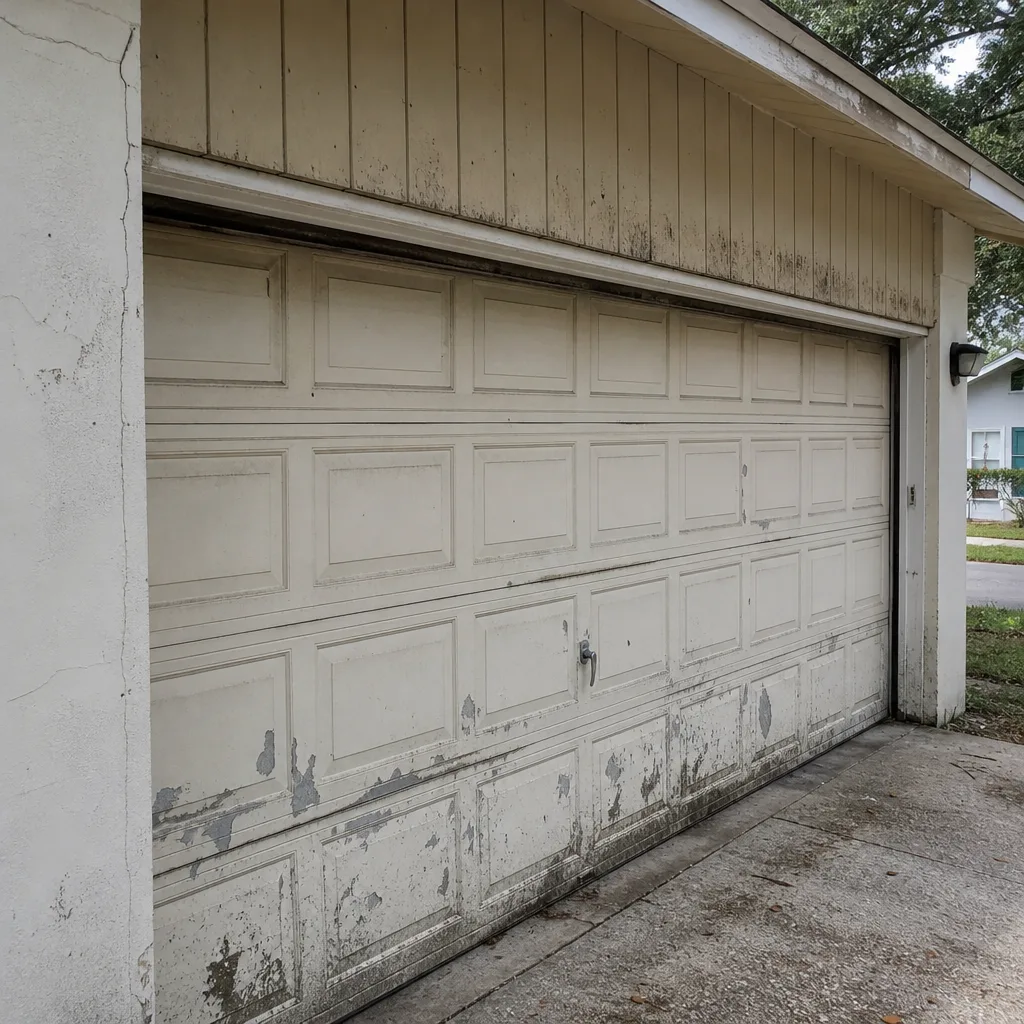 Before
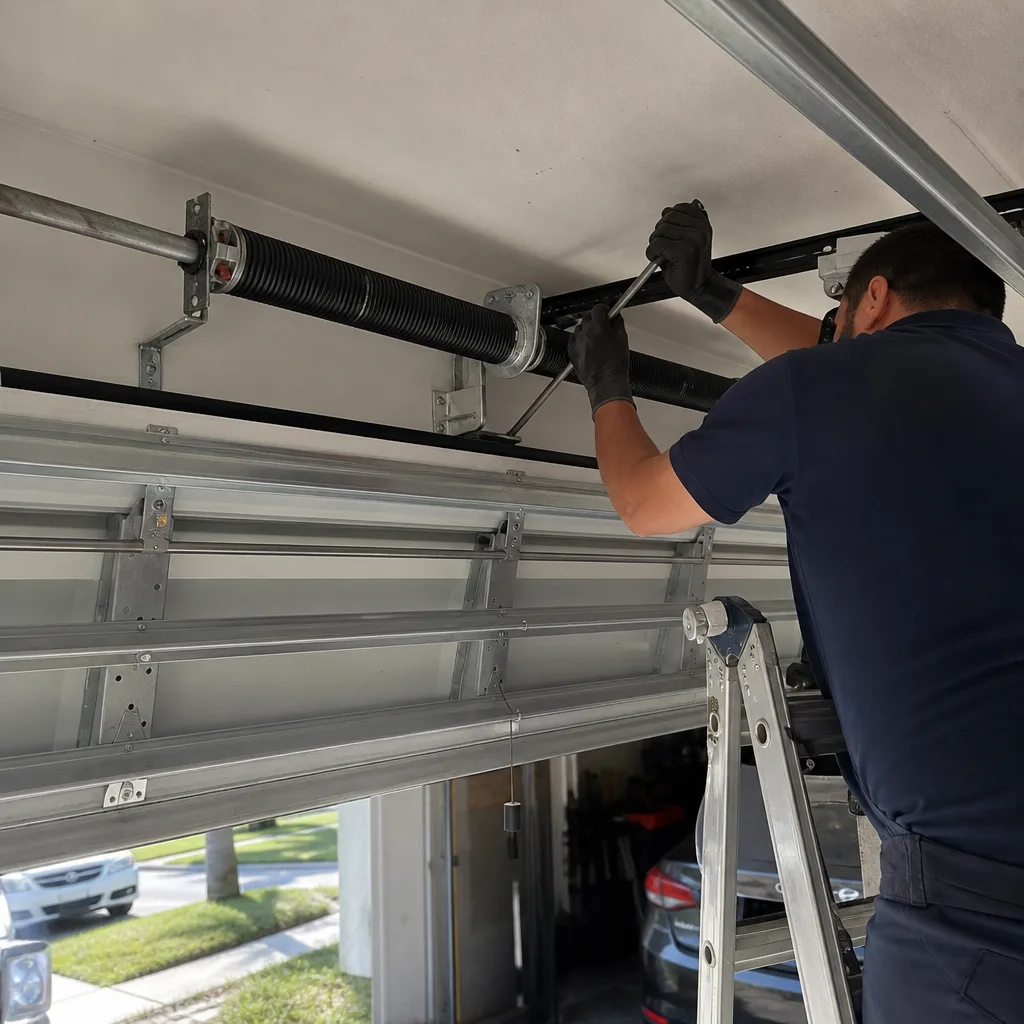 After
After Before
 After
After Before
 After
After