
Last updated October 16, 2026
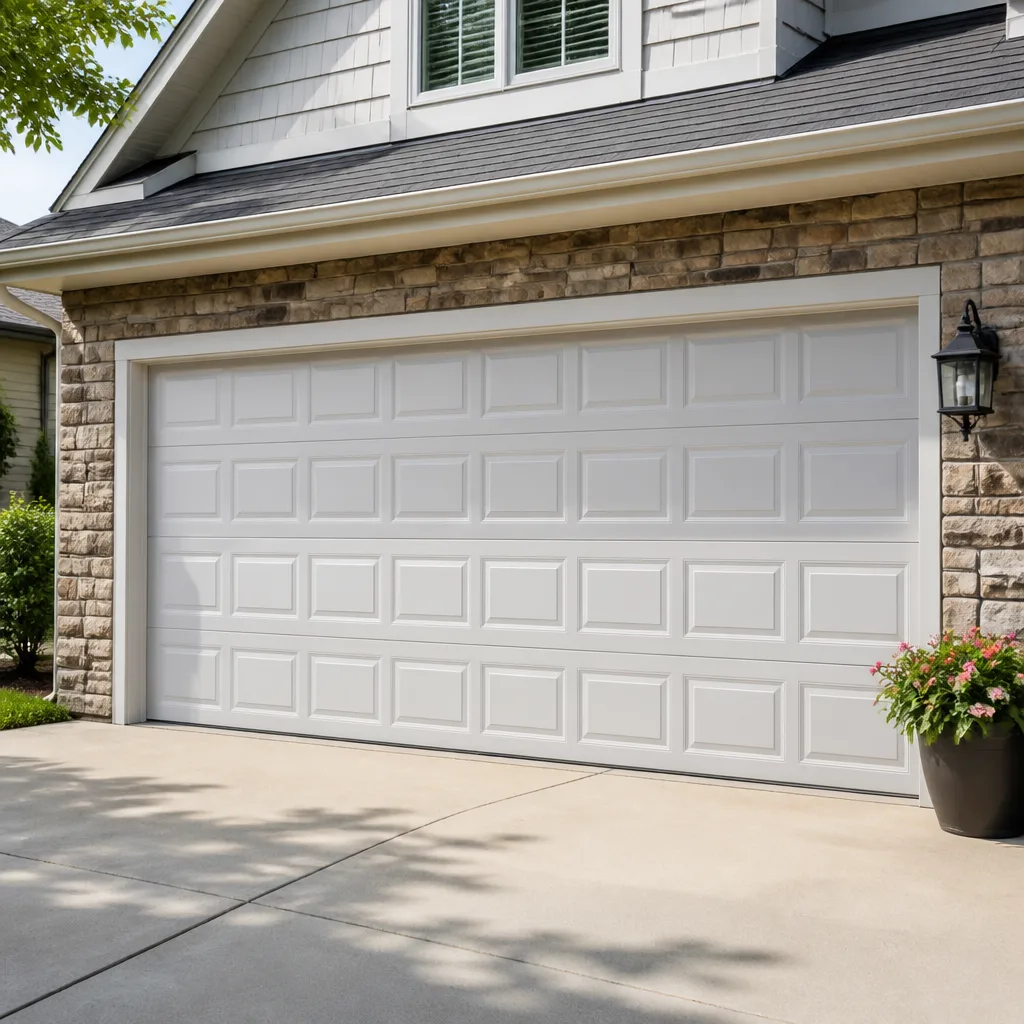 Raised-panel steel
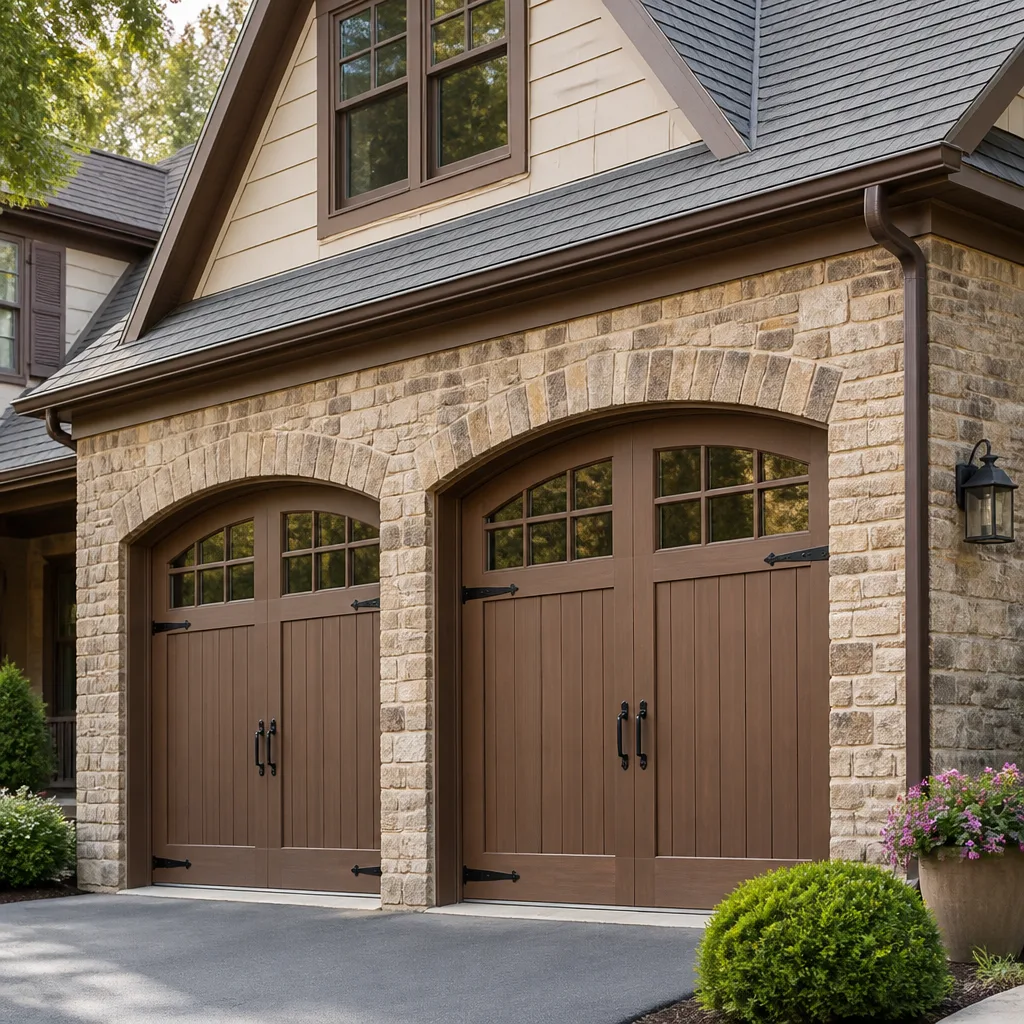 Carriage house
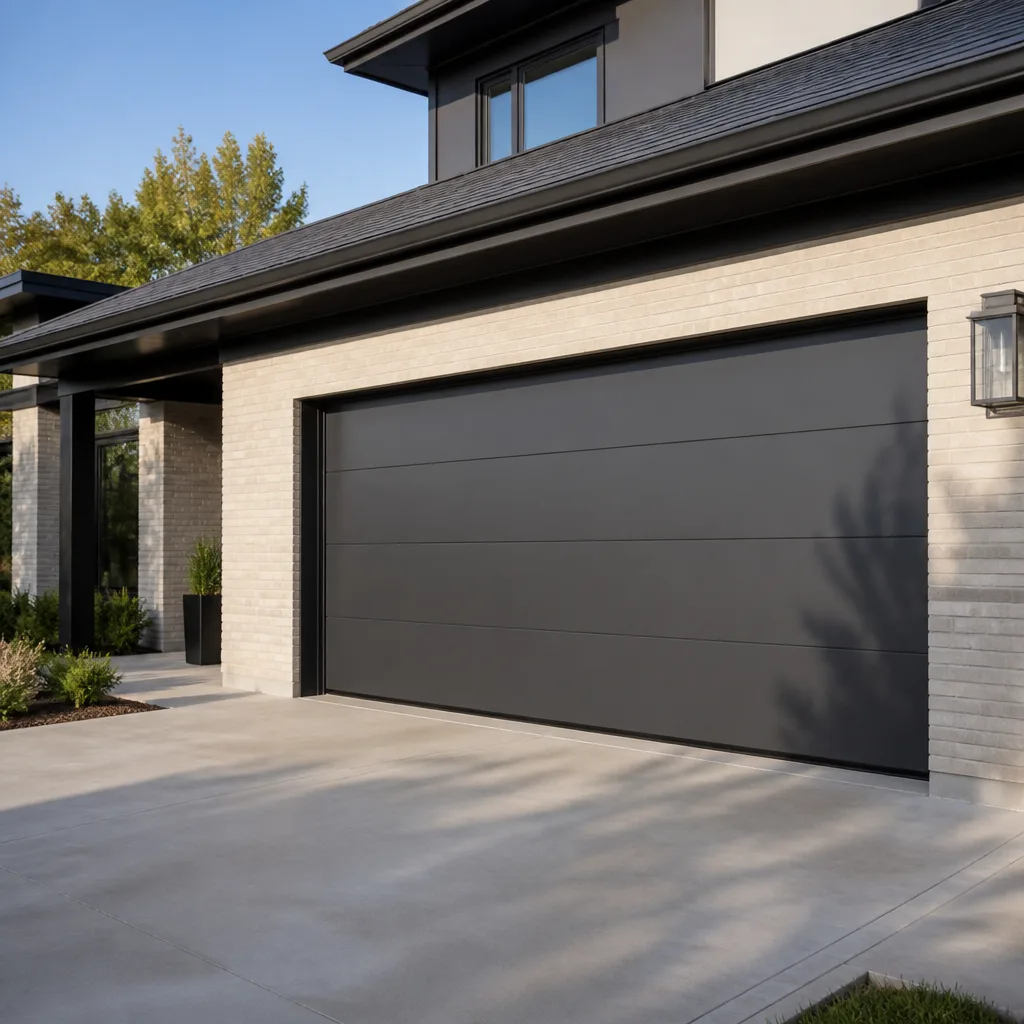 Modern flush
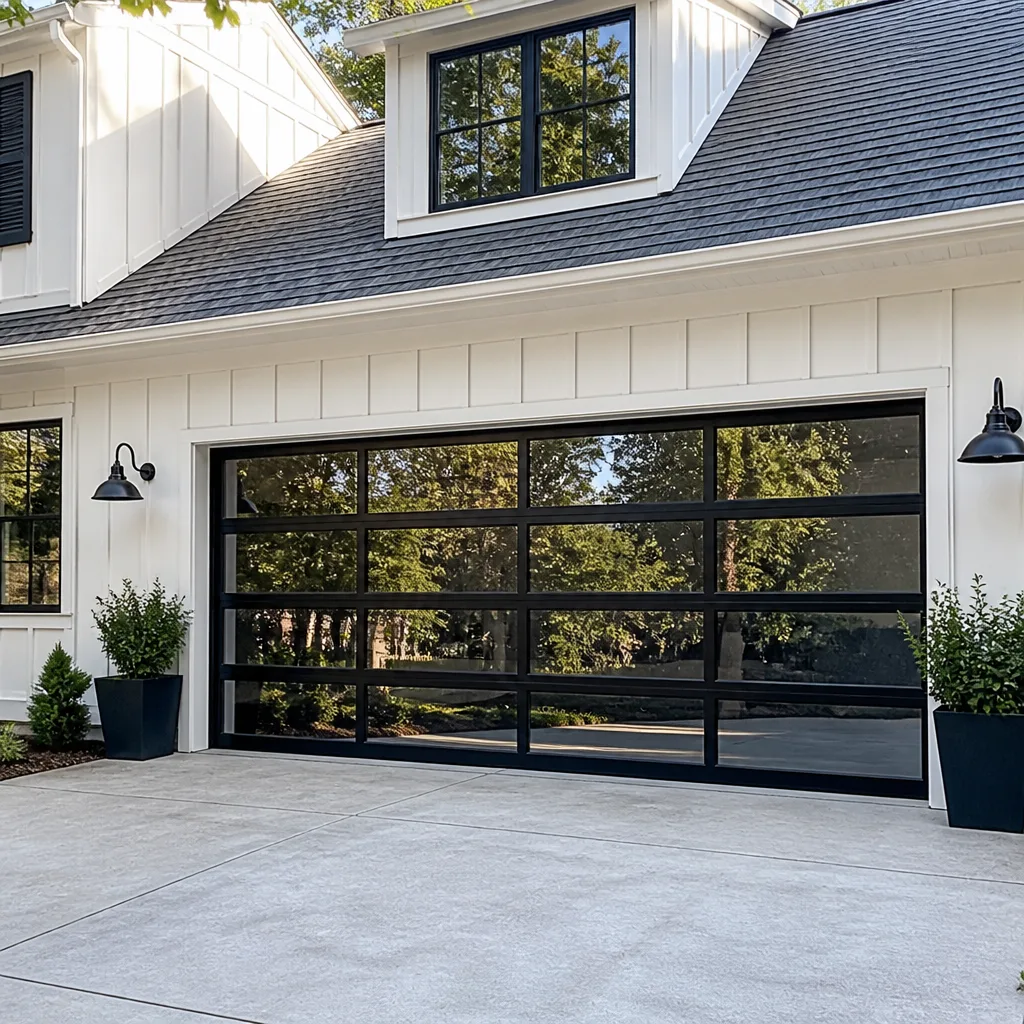 Full-view glass
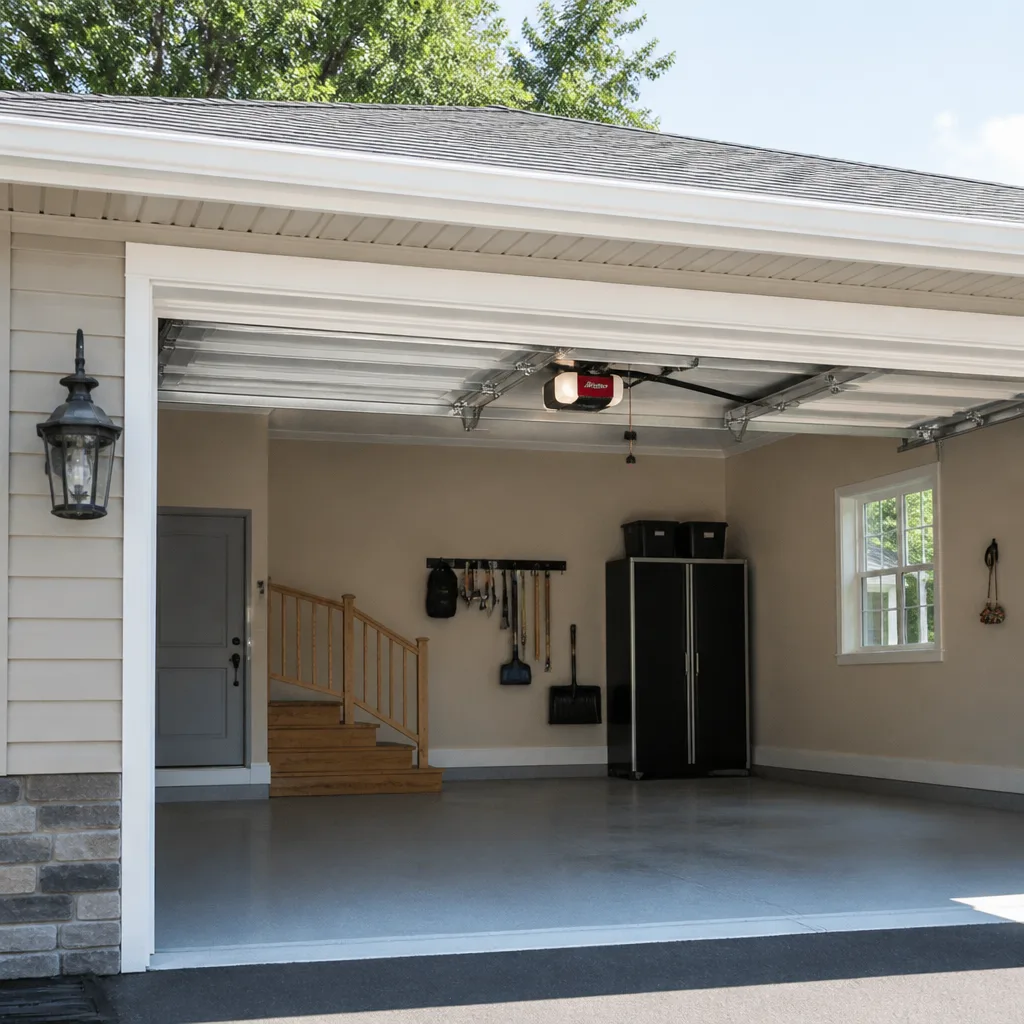 LiftMaster openers
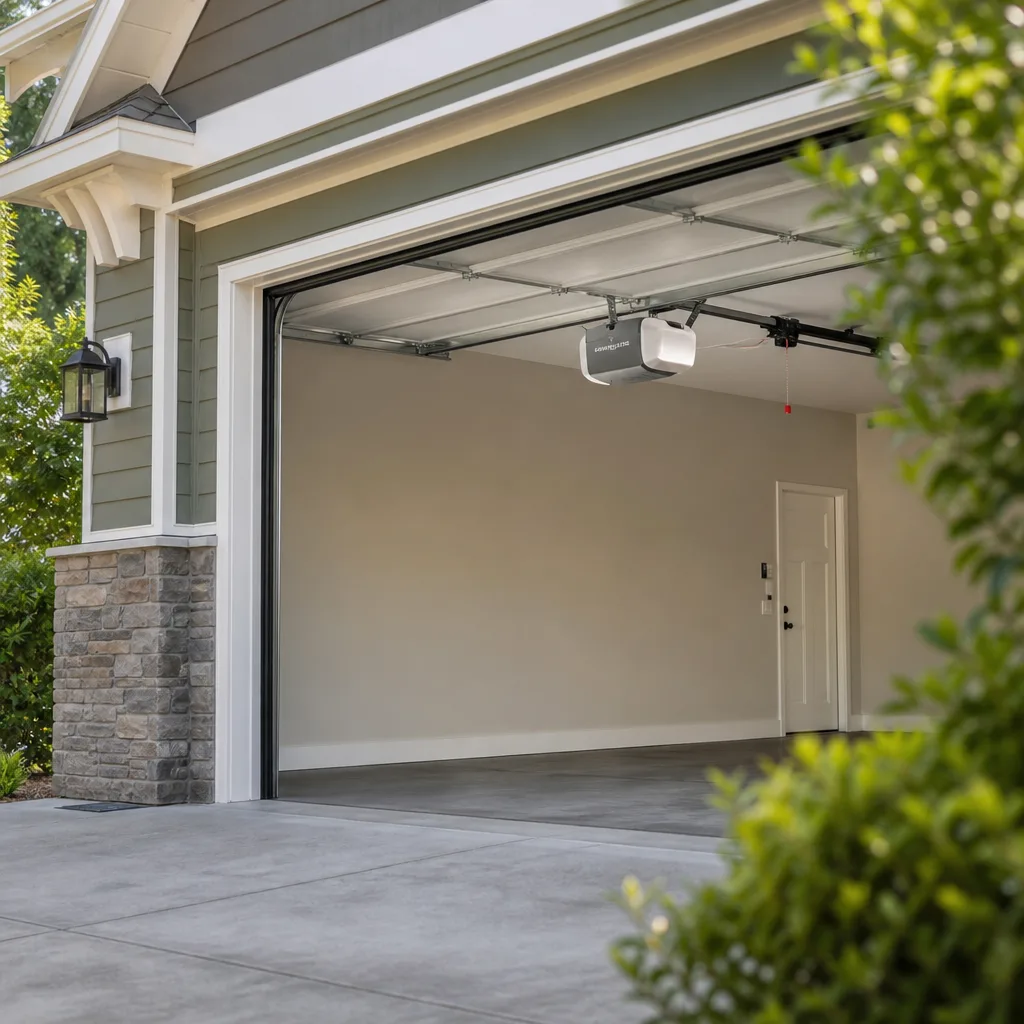 Chamberlain openers
Full 25-point door and opener safety check with every visit - springs, cables, rollers, tracks, and your LiftMaster or Chamberlain opener included
You get a price before we start. It does not change when the truck arrives.
Get your free estimateHow to Hire a Garage Door Contractor in Tampa: A Step-by-Step Guide
The most common garage door scam in Florida isn’t a fake company. It’s a real company that quotes $79 to “inspect” a spring, then invoices $600 once your door is already in pieces and you have no leverage. Tampa has dozens of garage door companies and almost no public way to tell a licensed professional from someone running jobs from an unmarked van. This guide gives you the four verification steps most homeowners in Tampa skip entirely, steps that are fast, specific, and impossible to fake. For more guides & resources, see our blog. By the time you finish reading, you’ll know exactly what to check before anyone touches your door.
Styles & brands we work with
Quick Answer
Hiring a garage door contractor in Tampa comes down to four verifiable steps: confirm the license through the Florida DBPR lookup tool, confirm both general liability and workers’ comp insurance, ask three questions before work starts (written estimate, parts warranty, arrival window), and check whether a Hillsborough County permit is required for your job. See our Complete Guide to Garage Door in Tampa for deeper detail. Skip these and you’re gambling. Do them and the hire takes about ten minutes.
Table of Contents
- Step 1: Verify the Florida Contractor’s License (Under 2 Minutes)
- Step 2: Confirm the Insurance Coverage That Actually Matters
- Step 3: The Three Questions to Ask Before Anyone Opens a Toolbox
- Step 4: Why a Hillsborough County Permit Matters for New Door Installations
- Step 5: Tampa-Specific Red Flags That Disqualify a Contractor
- Step 6: What a Legit Written Price Looks Like (and Why Verbal Quotes Mean Nothing)
- Common Mistakes to Avoid
- When to Call a Professional
- Frequently Asked Questions
- The Bottom Line
Step 1: Verify the Florida Contractor’s License (Under 2 Minutes)
Florida requires garage door contractors to hold a license through the Department of Business and Professional Regulation, or DBPR. That’s the state agency that tracks who is legally allowed to work on your home. The lookup tool is at myfloridalicense.com, and it takes about ninety seconds to use. Type in the company name, pull up the record, and look for three things: the license number, the status (it should say “Current, Active”), and the name on the license matching the name on the invoice. A mismatch is a red flag you shouldn’t ignore.
Here’s what an expired or mismatched license actually looks like in practice. An expired license shows a status of “Delinquent” or “Null and Void.” Some companies in Tampa operate under a licensed individual’s name but run jobs under a different company name. If the name on the van or the quote doesn’t match the name on the DBPR record, ask why before you let them open the garage door. In our experience, most legitimate contractors in Tampa will volunteer their license number if you ask. The ones who get defensive are the ones to avoid.
How to run the check yourself
- Go to myfloridalicense.com and click “Verify a License.”
- Search by company name or individual name.
- Confirm the license type is “Garage Door” or “Specialty Structure” under the contractor categories.
- Check the status field. Only “Current, Active” counts.
- Compare the name on the license to the name on the estimate. They should match exactly.
One more thing worth knowing. Florida’s DBPR system also shows complaint history and any disciplinary actions. A few complaints over twenty years is normal. A pattern of complaints about undisclosed charges or damaged property is not. You can check this before you ever make a phone call.
Step 2: Confirm the Insurance Coverage That Actually Matters
“Insured” is a word almost every garage door company in Tampa uses, and it means almost nothing by itself. What matters is the type of coverage and the amounts. For garage door work, you need two different policies, and each one protects you in a different way.
General liability insurance covers damage to your property. If a technician drops a torsion spring through your car windshield or scratches your door track, general liability pays for the repair or replacement. Workers’ compensation insurance covers injuries to the technician. If someone falls off a ladder in your driveway and doesn’t have workers’ comp, you can be held personally liable for their medical bills. That’s not hypothetical. Florida law is strict about this, and homeowners have lost in court because the contractor they hired didn’t carry workers’ comp.
Ask for a certificate of insurance, often called a COI. Any legitimate company can email one within minutes. Check that the policy is current, that the name on the certificate matches the company name, and that workers’ comp is listed. Many small operators in Tampa carry general liability but skip workers’ comp because it’s expensive. That’s the exact scenario you want to avoid.
Step 3: The Three Questions to Ask Before Anyone Opens a Toolbox
You don’t need to become a garage door expert to hire a good contractor. You need to ask three questions and listen carefully to the answers. The way a company responds tells you more than any online review.
Question 1: “Will you give me a written estimate before any work starts?”
The correct answer is yes, without hesitation. The disqualifying answer is anything that sounds like “we’ll let you know when we see what’s wrong” followed by a vague ballpark. You have a right to a written price before the first wrench turns. At Marlow Garage Door Repair Tampa home, we hand every customer a written price before we start, every time, on every job. That’s the standard you should demand from anyone.
Question 2: “What’s your warranty on parts and labor?”
Every reputable contractor should state a warranty in specific terms. How long? What does it cover? Does it include labor or just the part? A vague answer like “we stand behind our work” is not a warranty. A real warranty says something like “365 days, parts and labor, and if it fails we come back for free.” The only garage door service in Tampa that offers a written 365-Day Done Right Promise is us, and you should ask every other company you call why they won’t match it.
Question 3: “What’s my arrival window, and can I track the tech?”
If the answer is “sometime between noon and six,” you’re dealing with old-school. You wouldn’t accept a rideshare that couldn’t tell you where the car is. You shouldn’t accept a garage door contractor who can’t give you a live arrival time. Ask if you can see the technician on the way. The technology exists. Companies that use it are telling you they respect your time.
Step 4: Why a Hillsborough County Permit Matters for New Door Installations
Repairs almost never need a permit. Springs, cables, rollers, openers, sensors: those are replace-and-go work. But if you’re installing a new garage door, especially one that changes the opening size or involves structural work, Hillsborough County requires a permit. The contractor should pull it, not you. If a contractor tells you to “handle the permit yourself” or that “permits aren’t really required for garage doors,” walk away.
Here’s why this matters beyond the legal requirement. The permit process includes an inspection, and that inspection verifies the door was installed correctly: proper track alignment, correct spring tension, safety sensors functioning, and wind-load compliance. Tampa sits in a high-velocity hurricane zone, and garage doors in Hillsborough County must meet specific wind-load ratings. A door that fails the wind load standard can fail during a hurricane, and that can destabilize your entire roof structure. The permit inspection is your proof the installation meets code.
How to confirm your contractor is pulling a permit: ask for the permit number before installation day. You can verify it on the Hillsborough County permit lookup portal. Any contractor who hesitates, deflects, or suggests you “save money” by skipping it is asking you to accept legal and structural liability for their shortcut.
Step 5: Tampa-Specific Red Flags That Disqualify a Contractor
Every market has its own patterns, and Tampa has a few that repeat constantly. We hear versions of these stories every month from homeowners in Carrollwood, Seminole Heights, Westchase, and New Tampa.
- Same-day-only pricing pressure. “This price is only good if you sign right now.” Legitimate pricing doesn’t expire in four hours. A contractor who needs an immediate answer is trying to prevent you from getting a second quote.
- No physical business address. Look up the company on their website and on Google. A P.O. box or no address at all in Tampa is a common sign of a one-van operation that may not exist next year. You don’t need a showroom, but you should be able to find a real address.
- Quote over the phone without seeing the door. No one can accurately price a garage door spring repair in Tampa without looking at the door. Spring sizes, cable condition, track alignment, and opener type all affect the job. A quote given sight unseen is a bait number designed to get someone to your house where the real price appears.
- The $79 diagnostic trap. A low inspection fee that quietly becomes a $600 “necessary repair” after the door is disassembled. Once a contractor has your door in pieces, you’ve lost your leverage. The fix: get the full price in writing before they start taking things apart.
- The unmarked van or personal vehicle. A professional garage door contractor in Tampa shows up in a marked vehicle with a uniform. If someone arrives in a personal pickup truck with no branding, ask for their license and insurance before they touch anything.
Step 6: What a Legit Written Price Looks Like (and Why Verbal Quotes Mean Nothing)
A verbal quote is worth the air it’s spoken on. What you need is a written price that itemizes the work, states the exact dollar figure, and includes the warranty terms. Here’s what a legitimate written estimate for garage door repair in Tampa should show you, line by line.
A proper written price includes the part name and type (example: torsion spring, .225 wire, 2-inch diameter, 30-inch length), the labor charge, any applicable service fee, the total amount, and the warranty period stated in writing. It should also say the price is locked. If you see “estimate subject to change” or “final price determined after work begins,” that’s not a real quote. That’s a starting point for negotiation you’ll lose.
For reference, here are typical price ranges you should expect for common garage door repairs in the Tampa area. Spring replacement typically runs $150 to $290 depending on spring type and door weight. Cable replacement runs $120 to $200. Roller replacement runs $90 to $160. Full opener replacement, including the motor, rail, and sensors, typically runs $350 to $650 installed depending on brand. These are Tampa market ranges in 2025. A quote far below these numbers is bait. A quote far above them should come with a detailed explanation.
At Marlow Garage Door Repair Tampa, the Relay Visibility Guarantee means you get a written price before any work begins, every time, on every job. The number on the invoice matches the number you agreed to. No surprises, no “we found something else while we were in there.” If the scope changes, you approve the new price in writing first. That’s the standard.
Common Mistakes to Avoid
- Hiring based on the first Google ad you see. Paid ads don’t reflect quality. They reflect a marketing budget. Do the DBPR check regardless of how polished the website is.
- Accepting a phone quote without a visual inspection. In Tampa’s humidity, springs rust faster and cables fray quicker than in drier climates. A sight unseen quote can’t account for what Tampa salt air and ocean proximity does to door hardware.
- Skipping the workers’ comp check. The homeowner is the one on the hook if an uninsured technician gets hurt on your property. Confirm workers’ comp before you confirm the appointment.
- Choosing based on price alone. The cheapest quote often comes from the contractor who isn’t paying for insurance, licensing, or trained technicians. You’re paying for that risk in a different way.
- Not asking about the warranty in writing. “We’ll take care of you” is not a warranty. Get the specific duration and coverage on the estimate itself.
- Ignoring the permit question on new doors. A contractor who avoids the permit conversation in Hillsborough County is either unlicensed or cutting corners. Either way, that’s not someone you want modifying your home’s largest moving part.
- Paying in full before the work is complete. Never pay the full amount before the job is done and you’ve tested the door. A deposit is reasonable on large installations. Full payment upfront is not.
When to Call a Professional
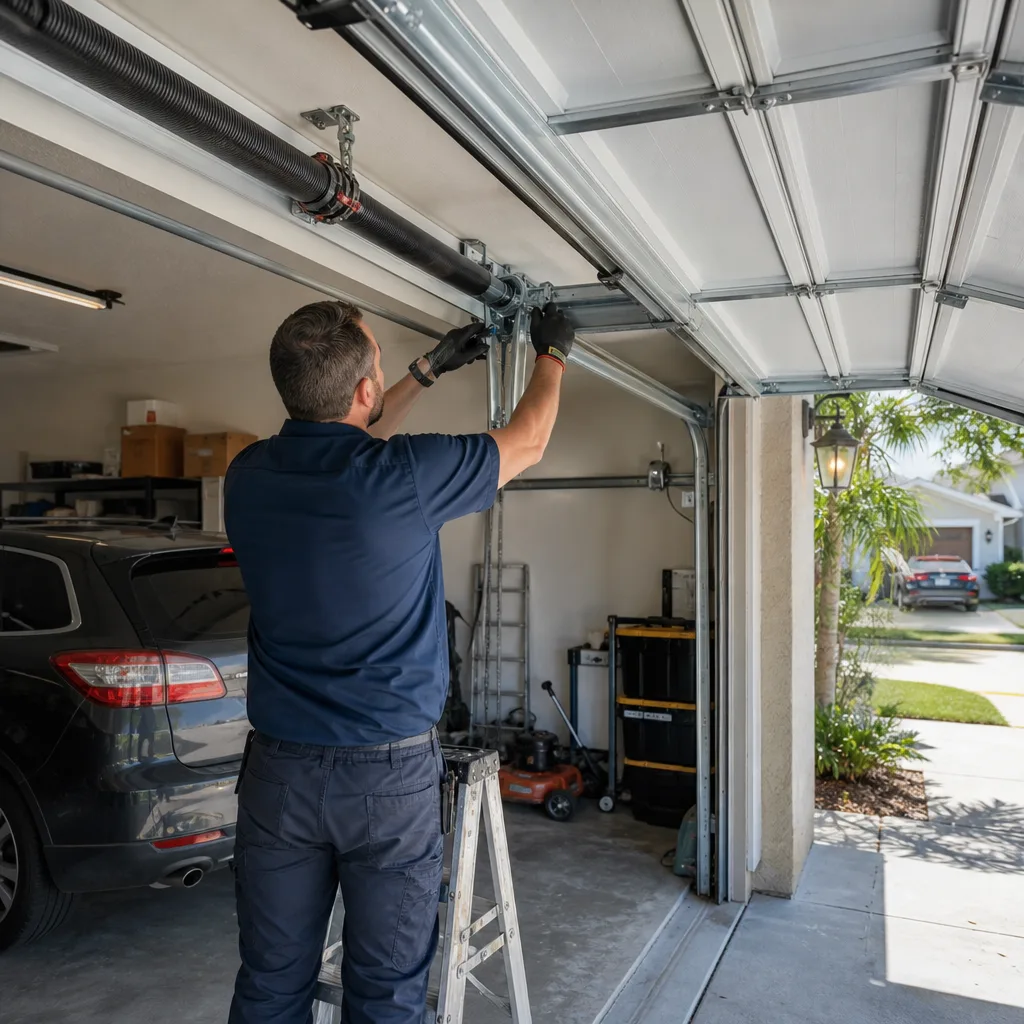
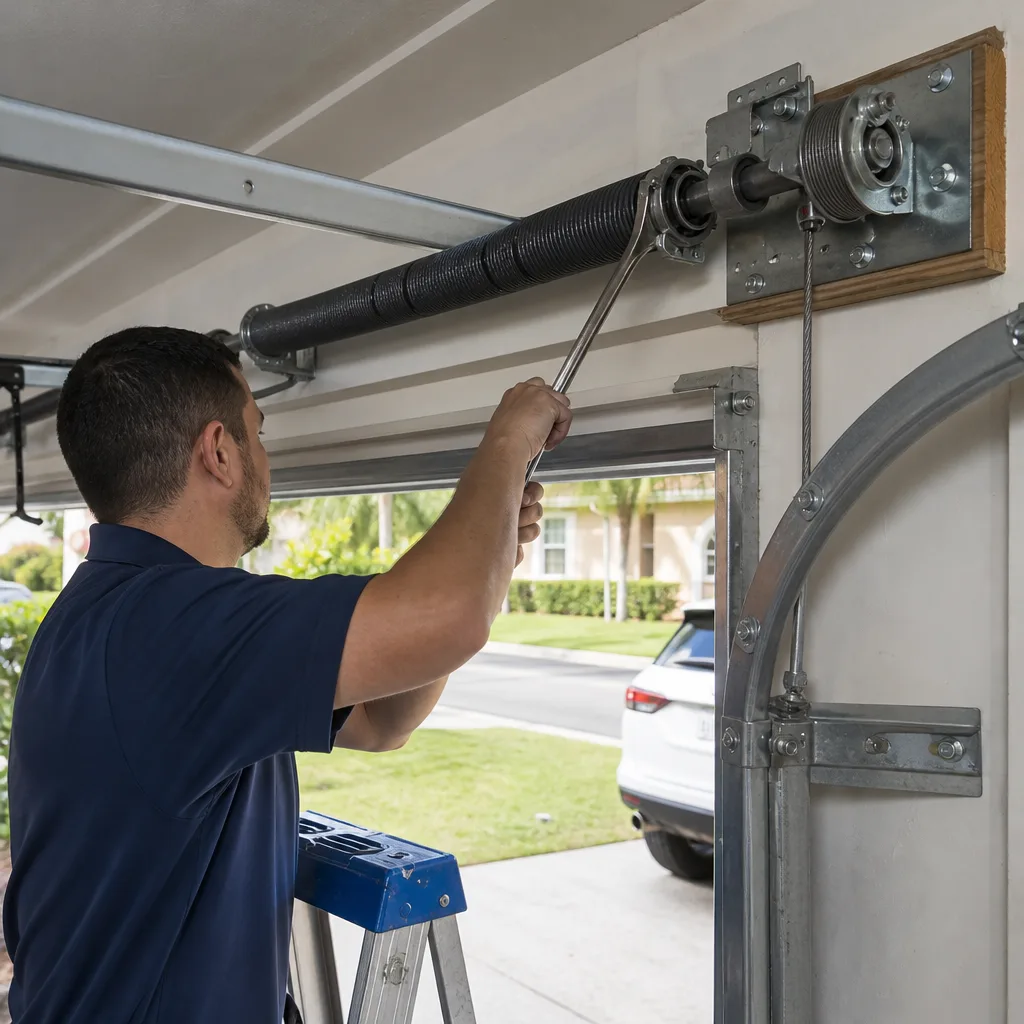
Garage doors are under tension, and tension doesn’t care about your DIY confidence. A torsion spring holds enough energy to cause serious injury or death if it releases unexpectedly. Cables under a broken spring can snap and whip. If your spring is broken, your cable is frayed, your door is off its tracks, or your opener is making grinding noises, call a professional. Watching a YouTube video won’t help you when the spring lets go. Garage door cable repair in Tampa is one of the most common jobs we handle after attempted DIY fixes go wrong, and the second repair always costs more than the first one would have.
Marlow Garage Door Repair Tampa offers free estimates in Tampa. Call (850) 761-0207 and a real person answers, any time, day or night.
Frequently Asked Questions
Use the DBPR license lookup tool at myfloridalicense.com, search by company name, and confirm the status reads “Current, Active.” The name on the license should match the name on your estimate. The whole check takes under two minutes.
A written estimate should itemize the part name and type, the labor charge, any service fee, the total price, and the warranty period in writing. The price should be locked before work starts, not “subject to change” with an asterisk. Call (850) 761-0207 for a written quote, free of charge.
Most repairs, including spring replacement and cable work, do not require a permit in Hillsborough County. New door installations generally do, and the contractor should pull the permit and provide you the permit number before installation day.
If an uninsured technician is injured on your property, you can be held personally responsible for their medical costs. Workers’ comp protects the worker and you. Confirm it on the certificate of insurance before the job starts.
Spring replacement in Tampa typically runs $150 to $290 depending on spring type, door weight, and cycle rating. You should see the exact number in writing before we start, and that number is locked. Call (850) 761-0207 for an exact quote.
The most common brands in Tampa homes are LiftMaster, Chamberlain, Genie, Raynor, Clopay, Amarr, Wayne Dalton, and Craftsman. Before you book, ask whether the technician is specifically trained on your door’s brand. A LiftMaster opener and a Genie opener have different wiring and logic boards, and a tech who only knows one is guessing on the other.
The Bottom Line
Hiring a garage door contractor in Tampa doesn’t require you to become an expert. It requires you to verify four things: a current DBPR license, both liability and workers’ comp insurance, a written price before work starts, and a permit plan for any new door installation. That’s it. Do those checks, ask the three questions, and you’ll avoid the $79-to-$600 trap that catches so many Tampa homeowners. The right contractor will answer all of these questions without blinking. The wrong one will make excuses. That’s the tell.
Written by Jaylen Ross, Owner at Marlow Garage Door Repair Tampa, serving Tampa since 2002.
See the difference
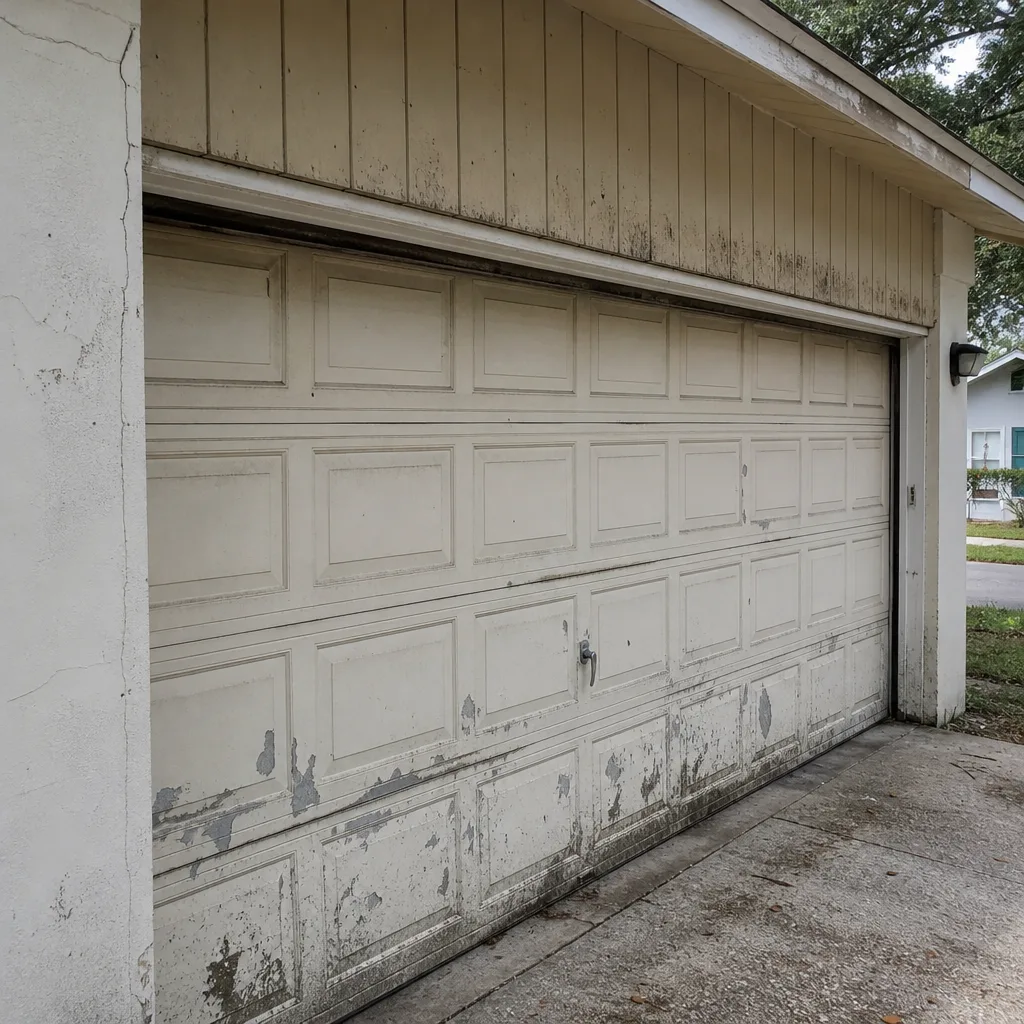 Before
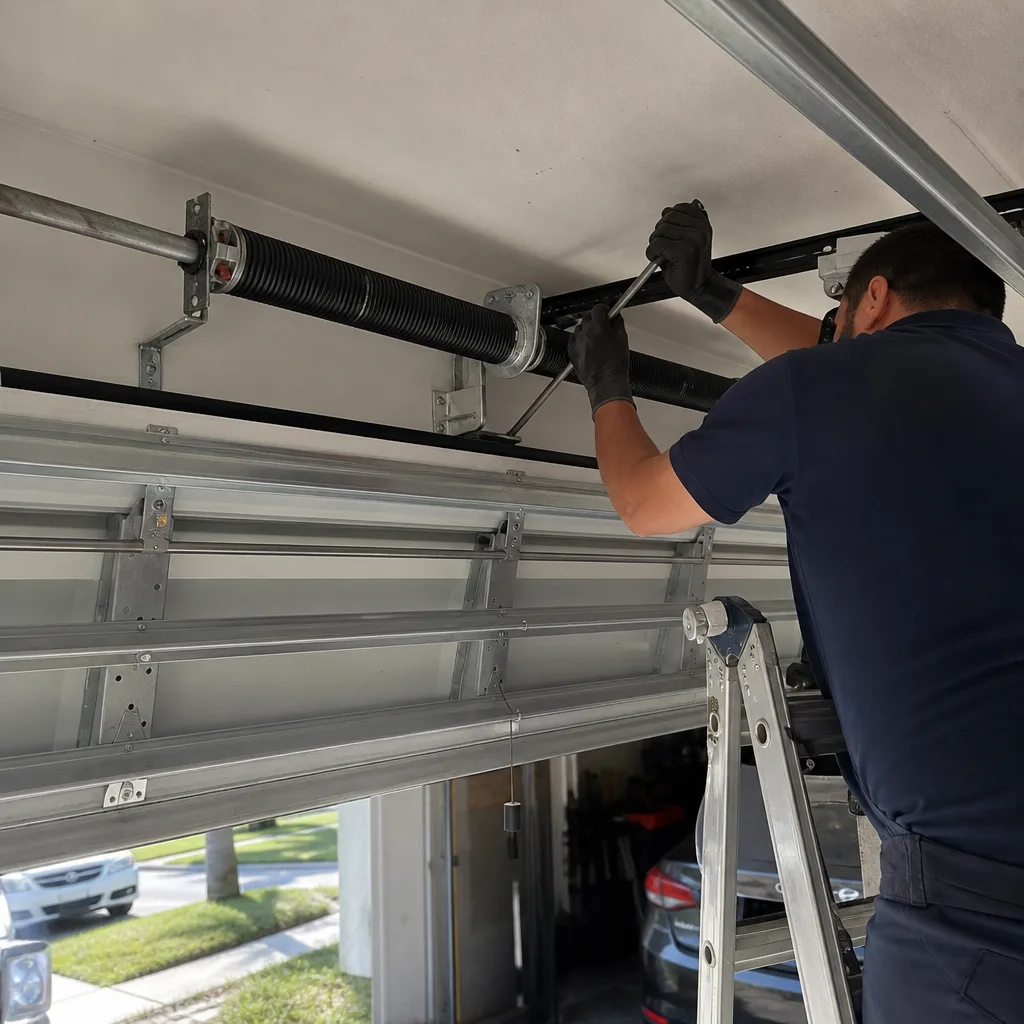 After
After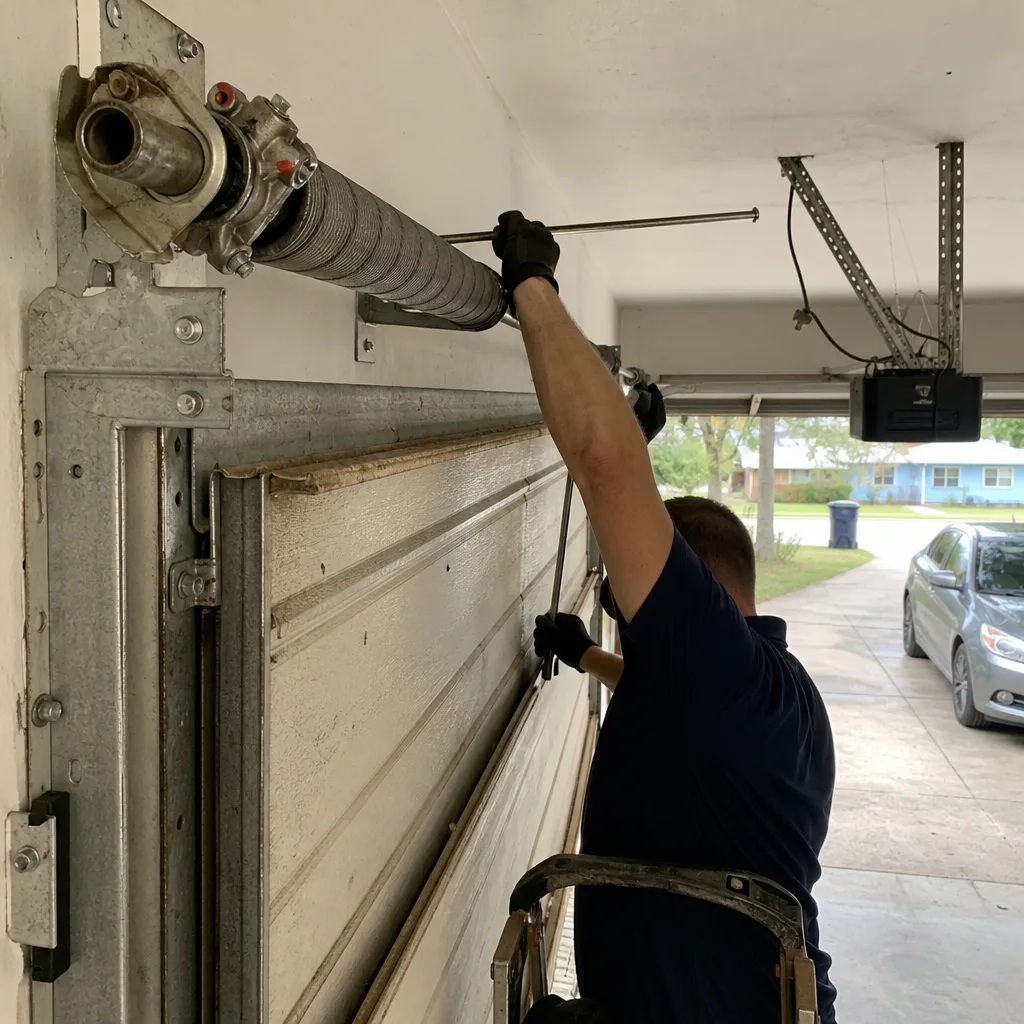 Before
 After
After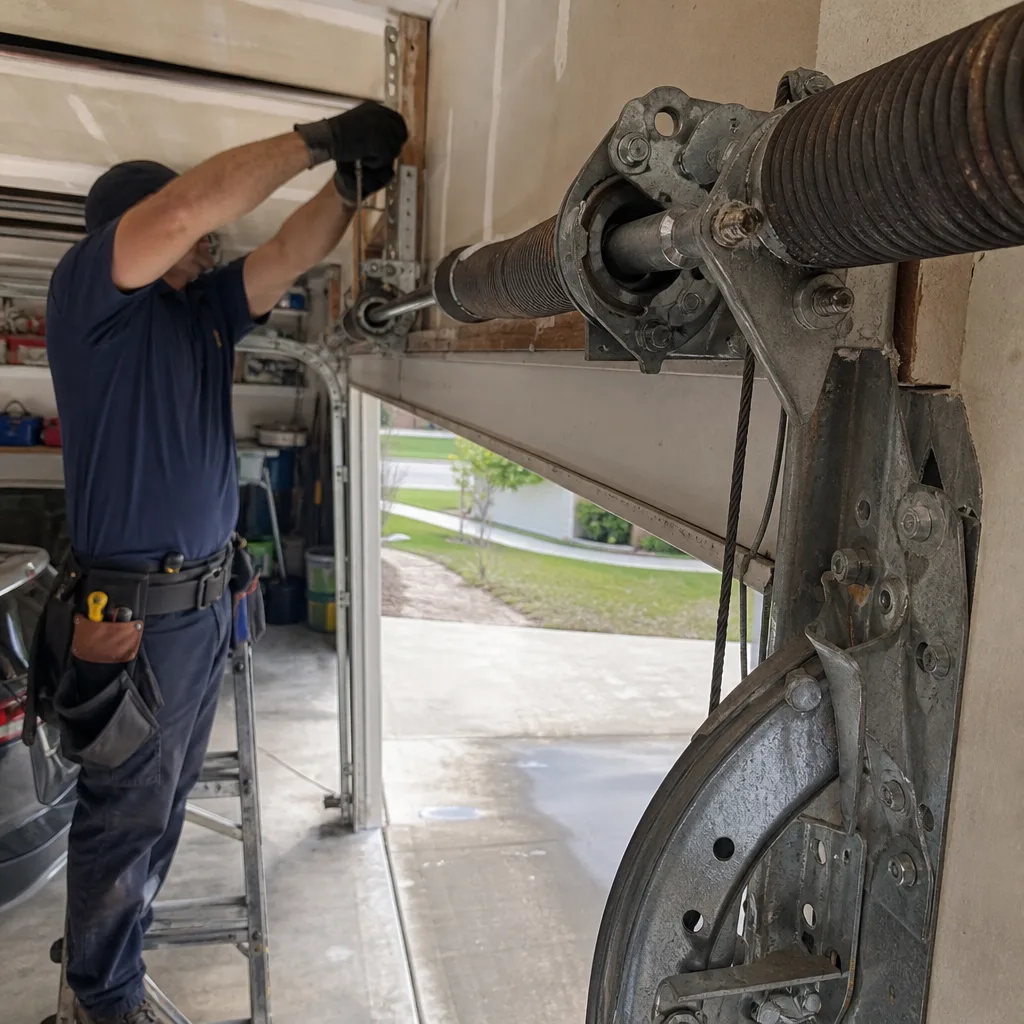 Before
 After
After