
Last updated October 16, 2026
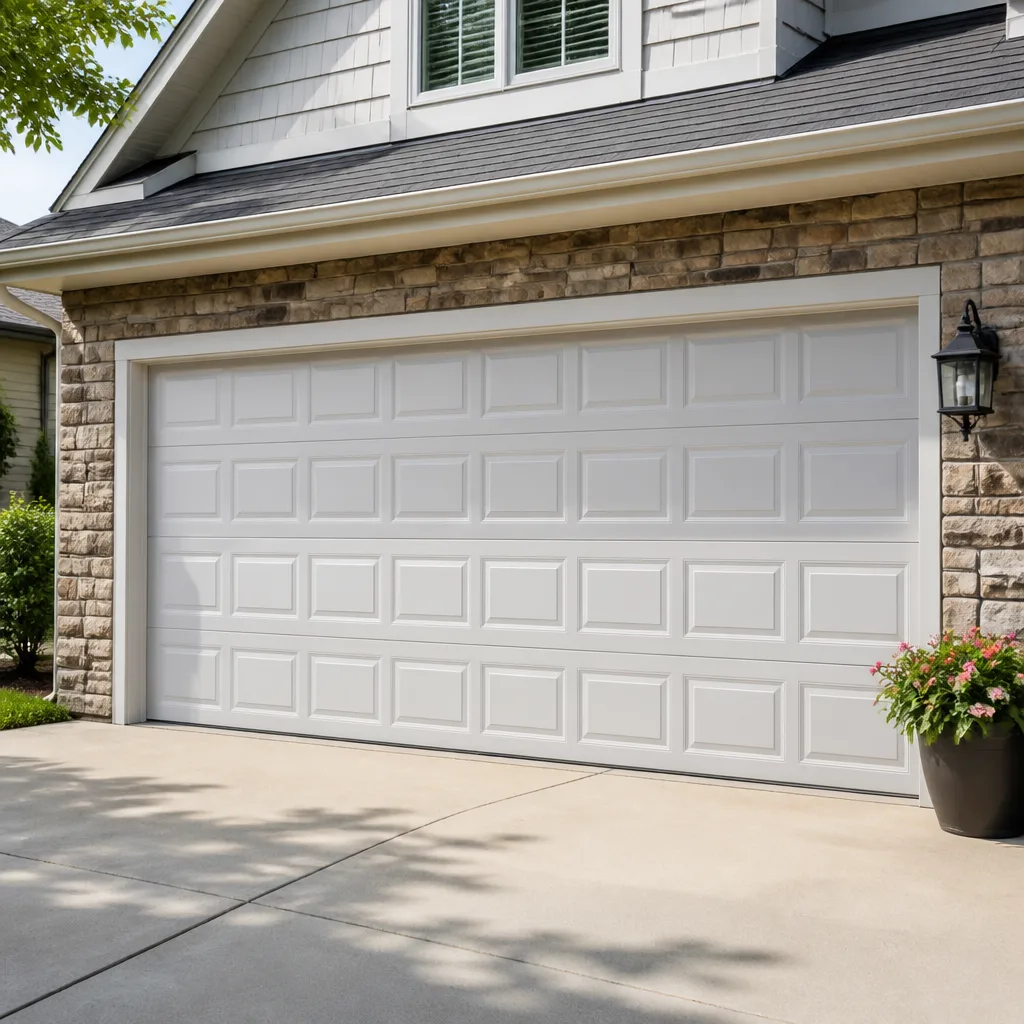 Raised-panel steel
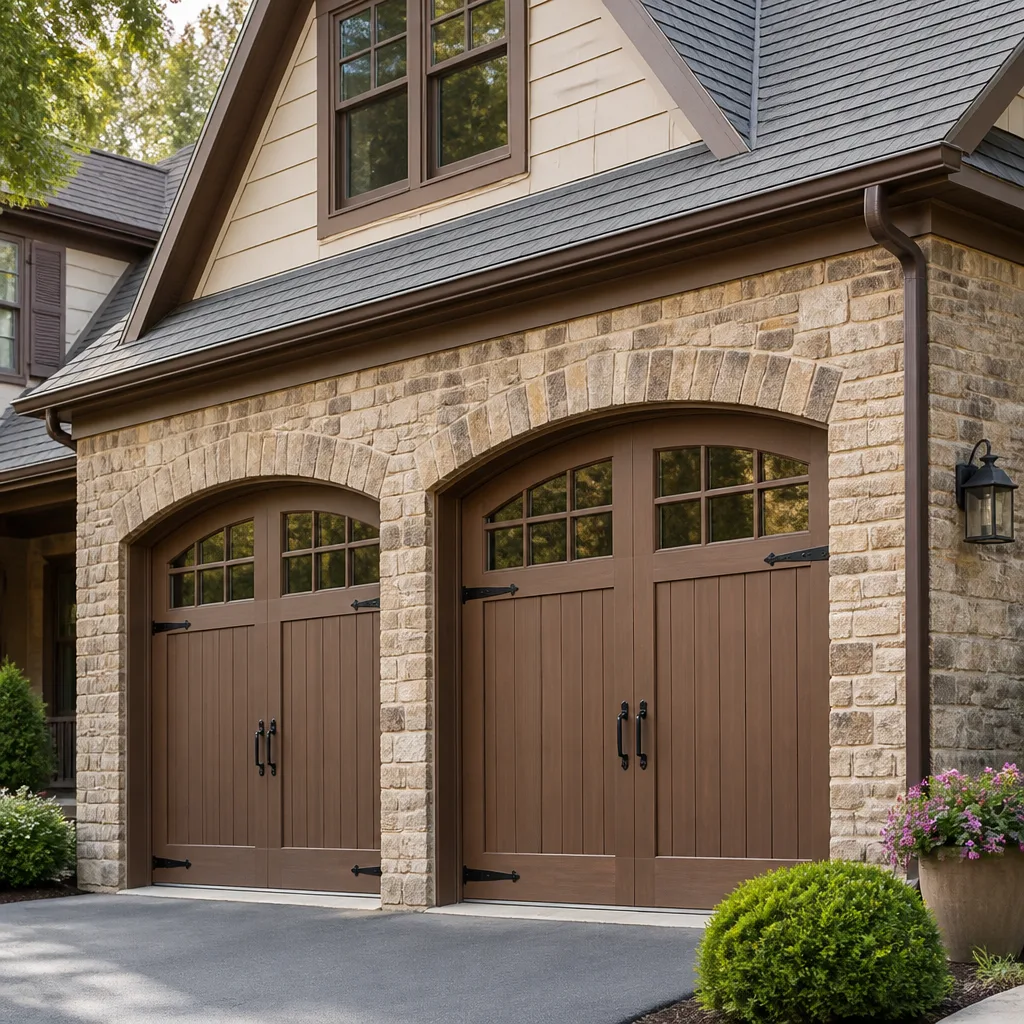 Carriage house
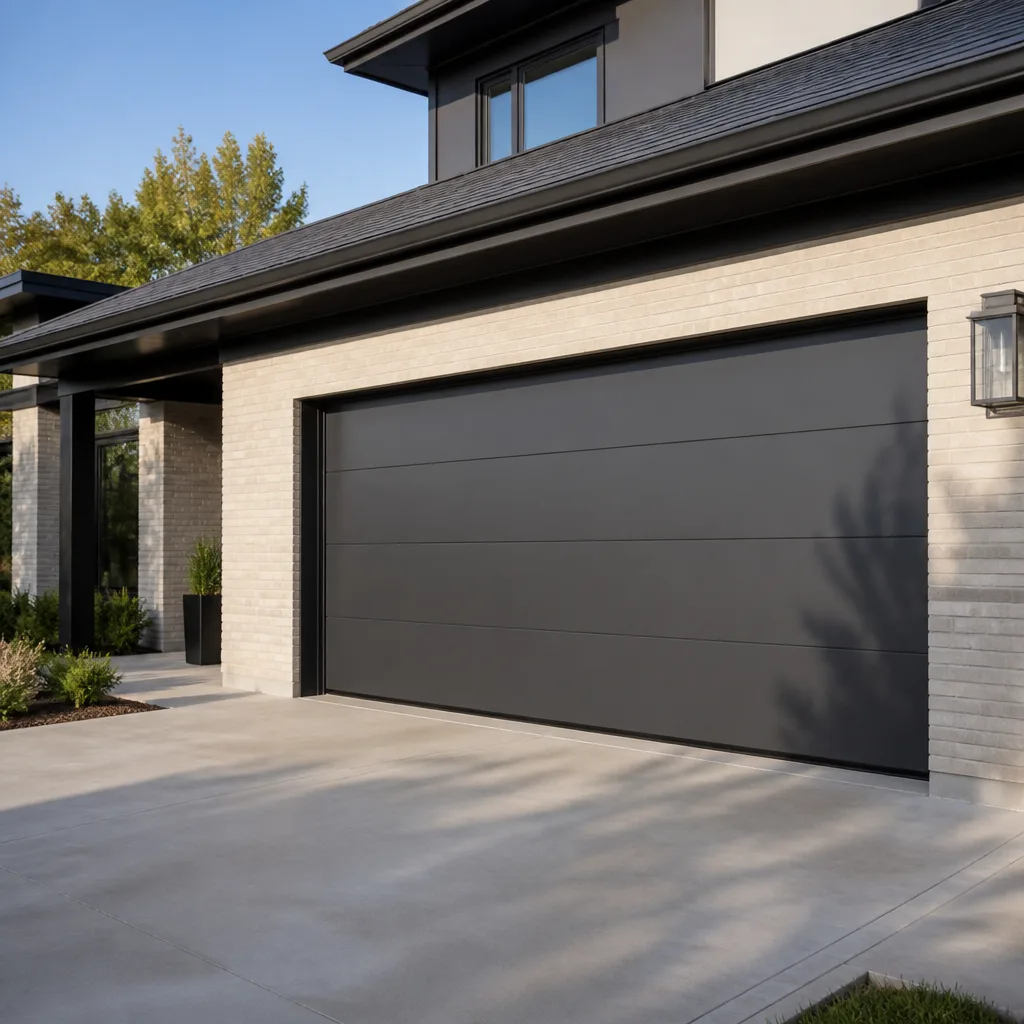 Modern flush
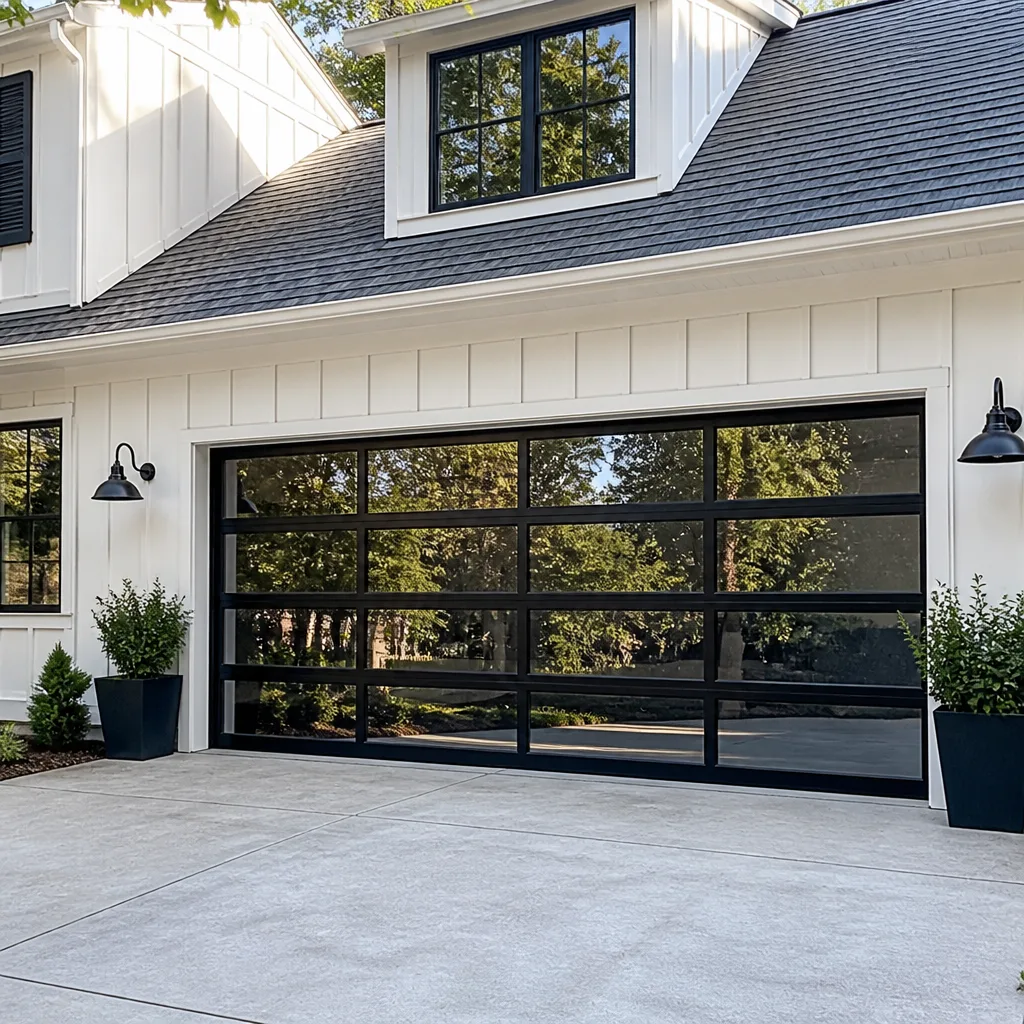 Full-view glass
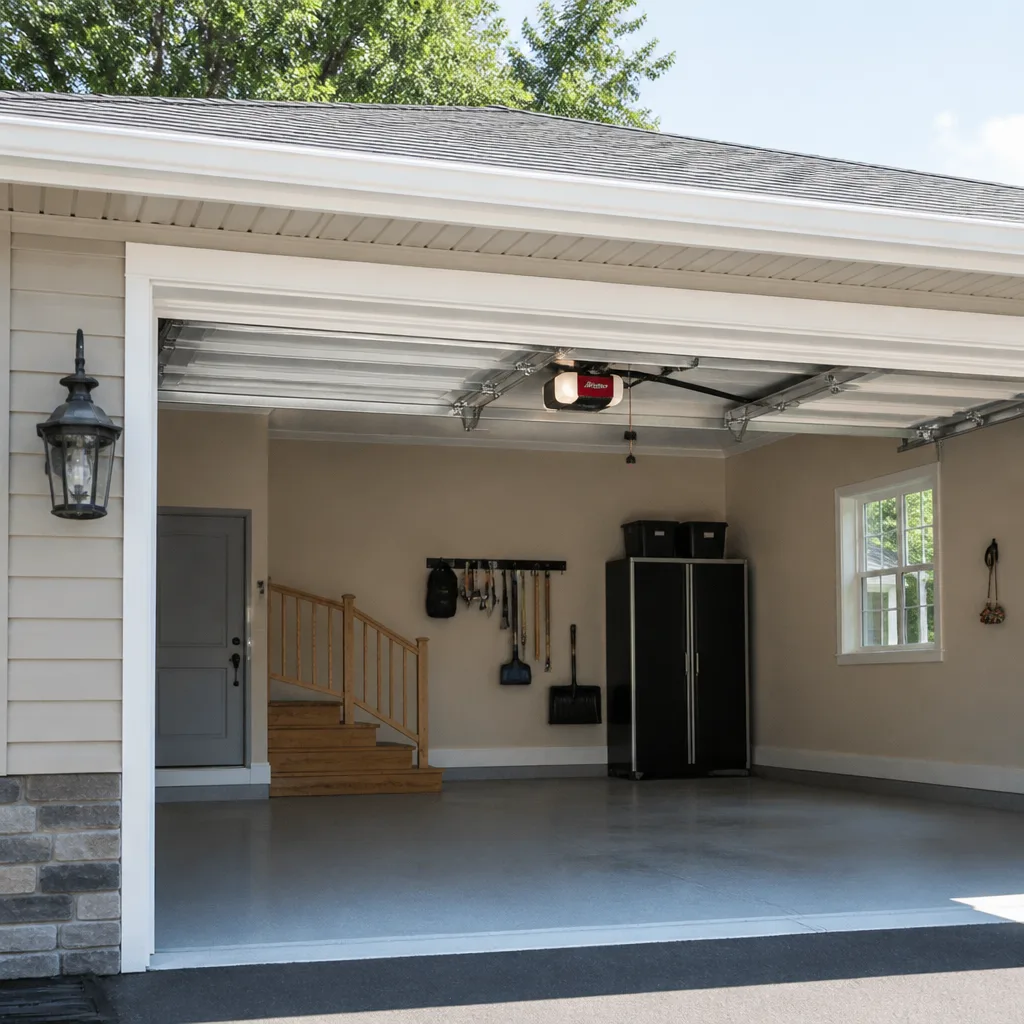 LiftMaster openers
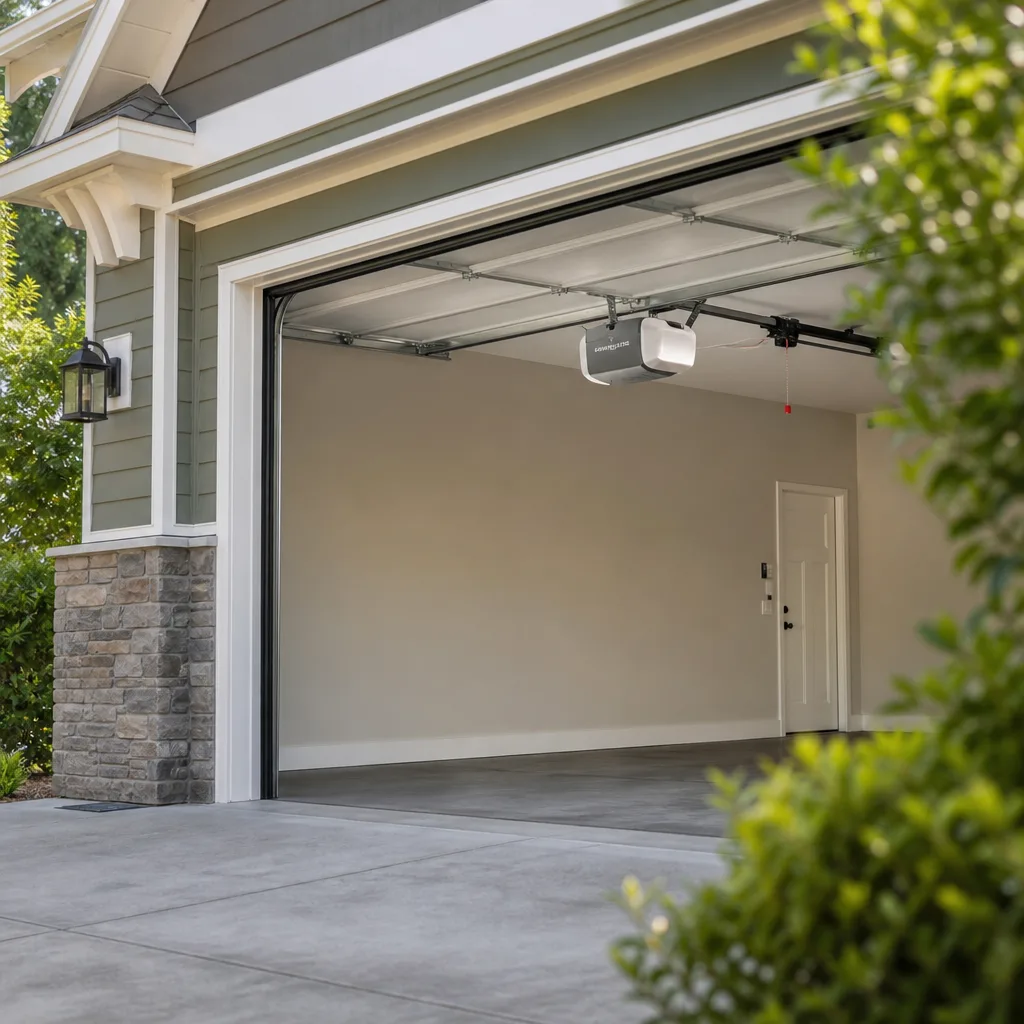 Chamberlain openers
Full 25-point door and opener safety check with every visit - springs, cables, rollers, tracks, and your LiftMaster or Chamberlain opener included
You get a price before we start. It does not change when the truck arrives.
Get your free estimateSeasonal Garage Door Care for Tampa: Year-Round Homeowner’s Guide
Every September, Tampa repair companies are booked solid, not because a hurricane just tore through, but because homeowners ignored the slow corrosion and spring fatigue that had been building since January, and then a single storm gust made it undeniable. The thing about garage doors in Tampa is that they don’t fail on a calendar schedule. They fail when salt air, humidity, UV exposure, and one good thunderstorm finally overpower a component that’s been quietly degrading for months. This guide walks through what actually wears out on a Tampa garage door, when it wears out, and what to do about it before you’re standing in your driveway at 7 a.m. with a door that won’t open and a car trapped inside.
Styles & brands we work with
Quick Answer
Seasonal garage door care in Tampa works on a two-season cycle: pre-storm prep from April to May and post-storm recovery from November to December. The essentials are lubricating moving parts every 90 days, inspecting weatherstripping for UV damage twice a year, testing the auto-reverse safety feature monthly, and having springs and cables professionally inspected each January when demand is low and problems are easiest to fix before storm season.
Table of Contents
- Why Tampa Has Two Seasons, Not Four
- How Gulf Coast Humidity Creates a Different Corrosion Timeline
- Pre-Storm Season Prep: April to May
- Post-Storm Season Recovery: November to December
- UV Exposure and Your Garage Door: What Tampa Sun Actually Does
- January to March: The Smart Time for Spring and Cable Work
- Documenting Your Door for Insurance Before Storm Season
- Common Mistakes to Avoid
- When to Call a Professional
- Frequently Asked Questions
- The Bottom Line
Why Tampa Has Two Seasons, Not Four
Tampa doesn’t do spring thaws, and salt trucks are something you see on the news from Ohio. What Tampa has is a wet season and a dry season, and they map almost perfectly onto two very different sets of garage door problems. From June through October, the Gulf Coast delivers daily afternoon thunderstorms, high humidity, and the occasional named storm. From November through May, the weather dries out, the UV index climbs, and the sun starts cooking anything made of rubber, vinyl, or plastic.
This two-season reality means most national garage door maintenance checklists are half-useless here. Advice about lubricating hinges before freezing weather doesn’t apply when your January low is 52 degrees. What does apply is a rhythm that local technicians in Tampa have seen for decades: components corrode and weaken during the wet months, then the stress of summer heat and storm winds finishes them off right about when you’re trying to evacuate or get your car out for work.
In our experience, the homeowners who avoid emergency calls in Tampa are the ones who treat April and November as their two garage door checkpoints. Twice a year. That’s it. Everything else is just noticing sounds and responding to them, which we’ll cover below. If you’re looking for more detail on the mechanical systems themselves, our Garage Door Repair in Tampa page covers the full range of what breaks and why.
How Gulf Coast Humidity Creates a Different Corrosion Timeline
Humidity is the quiet killer of garage door hardware in Tampa, and it works faster here than almost anywhere else in the country. The Gulf of Mexico sits right there, pushing moist air inland every afternoon. That moisture settles on metal surfaces, condenses inside tracks, and works its way into hinges, rollers, springs, and cables. The result is a corrosion timeline that compresses dramatically compared to inland cities like Orlando or Lakeland.
Here’s what that timeline looks like in practical terms:
- Hinges and rollers: Surface rust starts within 12 to 18 months in Tampa’s coastal humidity, compared to 3 to 5 years in drier climates. Rollers with exposed bearings start grinding and squealing faster.
- Springs: Torsion springs, the horizontal coils mounted above your door that do most of the lifting, develop micro-pitting from moisture within a couple of years. Those tiny corrosion points become stress fractures under repeated load, which is why springs in Tampa often fail at 7,000 to 10,000 cycles instead of the 15,000 to 20,000 some manufacturers rate for drier regions.
- Cables: The steel cables that run alongside your door are vulnerable at the bottom brackets, where salt air and rain splash collect. A frayed cable is a snapping cable, and a snapping cable under tension is genuinely dangerous.
- Track hardware: Galvanized track brackets hold up reasonably well, but the fasteners that mount them to the wall and the jamb brackets at the bottom corners are frequently the first things to show serious rust in Tampa garages, especially detached ones without climate control.
What this means for maintenance is simple: if you wait until something looks rusty, you’ve waited too long. The corrosion that matters is often internal, inside a spring coil or a bearing, where you can’t see it from a ladder. A quick visual once a quarter and a professional inspection once a year is the right cadence for Tampa. And if you’re dealing with spring issues specifically, you’ll find the details on repair costs and timing on our Garage Door Spring Repair in Tampa page.
Pre-Storm Season Prep: April to May
April and May are the months when Tampa homeowners should be doing the work that prevents September emergencies. The weather is still manageable, the humidity hasn’t peaked yet, and there’s plenty of daylight to actually see what’s going on with your door. This is the time to catch small problems before storm season turns them into big ones.
Here’s a step-by-step pre-storm checklist:
- Test the auto-reverse safety feature. Place a 2×4 flat on the ground under the door and close it. The door should reverse within two seconds of contacting the wood. If it doesn’t, the force settings need adjustment or the photo-eye sensors are misaligned. This is the single most important safety check on any garage door, and it takes 30 seconds.
- Lubricate every moving part. Use a lithium-based or silicone spray lubricant (never WD-40) on hinges, rollers, the torsion spring, and the lock mechanism. Avoid the track itself; lubricating tracks causes slippage. Do this every 90 days, but make April’s application a priority so the door operates smoothly through the humid months.
- Inspect weatherstripping and seals. Look at the rubber strip along the bottom of the door and the vinyl trim around the frame. Dry rot, cracks, or gaps mean water and debris are getting in during afternoon storms. Replacement weatherstripping is a $15 to $40 part and 20 minutes of work.
- Check for loose hardware. The vibration of daily open-close cycles slowly backs out nuts and bolts. Take a socket wrench to the track brackets, hinge plates, and the bolts holding the opener rail. Snug anything that’s loose, but don’t over-tighten; you can strip fasteners in aluminum tracks.
- Listen during a full cycle. Open and close the door with the opener, then do it once manually by pulling the release cord. Grinding, rattling, or hesitation during either test tells you something is wearing out. Address it now, not in August.
- Clear the tracks and photo-eye lenses. Dirt, spider webs, and pollen accumulate on the photo-eye sensors and inside the track channels. A dry cloth for the sensors and a vacuum for the tracks is all it takes.
If you spot anything that doesn’t look right during this checklist and you’d rather have eyes on it before storm season starts, that’s exactly what we do. A professional inspection in April costs far less than an emergency call in September.
Post-Storm Season Recovery: November to December
Once Atlantic hurricane season winds down at the end of November, the damage it inflicted doesn’t just disappear. Sand, salt spray, wind-driven debris, and several months of daily downpours have all taken a toll, and that toll tends to show up in specific places if you know where to look. The post-storm recovery checklist is about damage assessment and correction before the dry season lets small problems sit and harden.
- Wash the entire door surface. Salt spray and grime from storm season sit on the paint and panels. Use mild soap and water, not a pressure washer, which can force water into panel joints and strip paint. Rinse thoroughly and dry with a soft cloth.
- Inspect the bottom weather seal closely. Months of standing water after storms causes the rubber seal along the bottom to crack and harden. If you can see daylight under the closed door, or the seal is stiff and brittle to the touch, replace it before the winter dry spell makes the crack permanent.
- Look for rust on cables and bottom brackets. The bottom corners of your door take the worst of rain splash during the wet season. Check the cable where it attaches to the bottom bracket on each side. Surface rust can be cleaned, but fraying or broken strands mean the cable needs replacement, and that’s not a DIY job. A cable under full spring tension can cause severe injury if mishandled. You’ll find more on cable repair specifics at our Garage Door Cable Repair in Tampa page.
- Check the balance of the door. Pull the release cord and lift the door manually to about waist height. Let go. A properly balanced door stays put. If it drops or rises on its own, the springs are worn and need professional attention. Unbalanced doors force the opener motor to work harder, shortening its life.
- Lubricate again before the dry season. November’s lubrication application protects moving parts during the months when dry air and heat accelerate wear differently than humidity does. Consistency is what keeps Tampa doors running long past their expected service life.
- Note any new noises or vibrations. Compare how the door operates now to how it ran in April. Changes in sound or feel are the earliest warning signs of component failure. Documenting them now, while they’re fresh, helps your technician diagnose faster later.
The post-storm check doesn’t need to be a full day of work. An hour on a Saturday in November sets your door up for the dry months and gives you a clean baseline heading into the holiday season.
UV Exposure and Your Garage Door: What Tampa Sun Actually Does
Everyone talks about Tampa’s humidity, but the sun is just as destructive to garage doors, and it works on a different set of materials. With an average of 246 sunny days per year and some of the highest UV index readings in the continental United States during the summer, Tampa’s sun exposure degrades garage door components in ways that don’t show up in national maintenance guides written for places like Minneapolis or Seattle.
The components most affected by UV are the ones made of rubber, vinyl, and plastic:
- Weatherstripping: UV radiation breaks down the plasticizers that keep rubber and vinyl flexible. After two to three summers of direct sun, bottom seals crack, side seals shrink and pull away from the frame, and the top seal above the door develops gaps you can see through. Once a seal loses flexibility, it loses its ability to keep out rain, debris, and hot air.
- Paint and panel coatings: Darker door colors absorb more UV energy, which accelerates paint fading, chalking, and clear-coat failure. A black or dark brown door in direct Tampa sun can show visible fading in 18 months. Lighter colors last longer but still oxidize over time. Composite and fiberglass panels can develop a chalky surface that feels rough to the touch.
- Photo-eye sensor housings: The plastic casings around safety sensors degrade in sustained UV exposure, becoming brittle. This can cause misalignment as the housing warps, triggering false reversals that stop your door from closing.
- Opener remote and keypad casings: If your outdoor keypad is mounted on the sun-facing side of your garage, the plastic housing can crack within a few years. The internal electronics usually survive, but a cracked housing lets moisture in, which kills the circuit board.
How to extend UV-exposed component life in Tampa:
- Wax or seal the door surface once a year, ideally in November after the wet season ends. A quality automotive-grade wax or a specific garage door sealant adds UV protection to the finish.
- Choose lighter paint colors when repainting. They absorb less UV energy and fade less visibly than dark colors.
- Replace weatherstripping proactively every 3 to 4 years, even if it looks intact. By the time visible cracking appears, the material has already lost most of its flexibility.
- Mount outdoor keypads on the shaded side of the garage frame, or add a small UV-blocking cover.
- If you have a wooden door, repaint or reseal it every 2 to 3 years. Wood in Tampa sun without protective coating warps, checks, and splits along the panel seams.
UV damage is gradual and honest about its signs if you look. A chalky surface, a stiff seal, or a cracking keypad case are all warnings that materials are past their service life. Catching them early is cheaper than ignoring them.
January to March: The Smart Time for Spring and Cable Work
There’s a reason Tampa’s garage door repair companies are less busy in January, February, and March, and it creates an opportunity that most homeowners miss. The slow season is not just a time when it’s easier to book an appointment. It’s the time when the work itself is more valuable, because it gets done before the conditions that stress your door most are present.
Here’s the logic. Springs and cables don’t fail in a vacuum. They fail when they’re asked to work hard under load, which means during heavy use months. In Tampa, heavy use months are June through October, when people are in and out constantly, summer storms cause sudden wind loads on the door, and humidity is at its peak for corrosion. Whatever weakening has accumulated in your springs or cables gets exposed during those months. A spring that’s at 70% of its strength in January will still open your door fine on a dry, cool morning. The same spring in August, fighting humidity-thickened rollers and the heavier air of an afternoon thunderstorm, is more likely to snap.
Why January is the ideal month for spring and cable work in Tampa:
- Lower demand means faster scheduling. You can get a technician out within a day or two instead of waiting for the post-storm rush.
- Problems are easier to diagnose before components are stressed. Wear on springs and cables shows up more clearly in the slower, cooler months when the door isn’t fighting humidity-related resistance.
- Prices don’t change by season at most reputable companies. Unlike some trades, garage door spring repair in Tampa doesn’t carry a seasonal surcharge, but availability is far better when you book in the dry season.
- You’re fixing things before they become emergencies. A planned cable replacement in February costs the same as an emergency cable replacement in October, except the October one also ruins your morning and possibly your day.
Jaylen Ross, who’s owned Marlow Garage Door Repair Tampa since 2002, has seen this pattern every year: the homeowners who schedule spring inspections in January and February almost never appear on the emergency call list in August and September. The homeowners who wait until the door stops working in July always pay the same price but with far more disruption.
One more Tampa-specific note: January and February are also the months when you can most easily feel a slightly unbalanced door, because the cooler, drier air means the door isn’t getting any help from swollen weatherstripping or humidity-added resistance. Test your door’s balance manually on a cool January morning and you’ll get the truest reading of your spring condition you’ll see all year.
Documenting Your Door for Insurance Before Storm Season
Insurance adjusters look for very specific things when evaluating garage door damage claims in Tampa, and the homeowners who document their doors before storm season opens have a materially easier time getting claims approved. The documentation doesn’t have to be elaborate, but it has to exist before the damage happens. After-the-fact photos of a dented door don’t prove what the door looked like before the storm.
What to document before April:
- Full-door photos from three angles. Front straight-on, from the left, and from the right. These show the pre-storm condition of panels, paint, hardware, and weatherstripping. Take them in daylight with no shadows falling across the door.
- Close-up photos of existing damage. Any dents, scratches, rust spots, or paint wear that already exist should be photographed up close. If a storm adds new damage, these photos distinguish pre-existing wear from storm-caused damage in the adjuster’s report.
- The make, model, and serial number. This information is printed on a sticker on the inside of the door panel or on the opener unit. If the door is totaled, having the model information means you can get an accurate replacement quote without a physical inspection of the destroyed unit. Brands like Clopay, Amarr, and Wayne Dalton stamp model numbers on the interior panel edges.
- The opener make and model. Same information, printed on the opener housing. LiftMaster, Chamberlain, and Genie all have model numbers on a label on the motor unit. Photograph that label.
- Receipts or records of any recent service. If you’ve had springs, cables, or panels replaced in the last five years, keep the invoice. Adjusters use service records to establish the pre-storm condition and value of the door system.
- A short video of the door opening and closing. This documents that the door was operational before the storm. A 15-second clip on your phone is sufficient.
Store all of this in a folder on your phone and in a cloud backup. If you use Dropbox, Google Drive, or iCloud, create a “Garage Door” folder and drop everything in it. When you need it, you’ll be glad it’s already organized.
After a storm, take the same set of photos from the same angles before you move anything or make repairs. Adjusters compare the before and after sets, and clean documentation makes the claim process dramatically faster. If you need a professional damage assessment or a repair estimate after a storm, our Marlow Garage Door Repair Tampa home page has details on how to reach us.
Common Mistakes to Avoid
Most garage door problems in Tampa are not caused by bad luck. They’re caused by one of the following mistakes, which we see every single week:
- Using WD-40 on moving parts. WD-40 is a water displacer, not a lubricant. It washes out existing grease and leaves metal surfaces dry, which accelerates wear on hinges and rollers. Use lithium grease or silicone spray; they’re available at any hardware store for under $10.
- Ignoring slow operation until the door stops working. A door that opens a half-second slower than it used to is telling you something. Springs lose tension gradually, and that slowdown is the early warning. Waiting until the door won’t open converts a $200 spring repair into a $300 emergency call plus a tow or rideshare to work.
- Lubricating the track. The track is not a bearing surface. Spraying lubricant into the track makes the rollers slip, which causes the door to jerk and chatter during operation. Lubricate the roller bearings and hinges, not the track channels.
- Replacing one spring instead of both. Garage doors with two springs wear both springs equally. When one snaps, the other is typically close behind. Replacing only the broken spring saves a little money today and guarantees another service call within months. Any reputable technician in Tampa will recommend replacing both springs as a pair.
- Propping the door open with a stick or clamp. If your door won’t stay open on its own, the springs are done. Propping it with whatever’s handy risks the door crashing down, and a falling garage door can cause serious injury. Disconnect the opener, leave the door closed, and call a professional.
- Not photographing the door before storm season. We covered this in the previous section, but it bears repeating: insurance adjusters process claims much faster when pre-storm documentation exists. Without it, you’re arguing about what condition the door was in, and you’ll lose that argument more often than you win it.
When to Call a Professional
Some garage door work in Tampa is genuinely safe to handle yourself: lubricating hinges, cleaning photo-eye lenses, tightening loose bolts, replacing weatherstripping. Other work is not, and the line between the two isn’t always obvious if you’re new to Tampa homeownership.
Call a professional for any of these: a snapped torsion spring or extension spring, a frayed or broken cable, a door that’s off its track, a bent track section, a door that falls when released manually, or any suspected problem with the opener’s electrical components or force settings. Springs and cables operate under hundreds of pounds of tension, and when they release unexpectedly, they can cause catastrophic injury. This is not hyperbole, and it’s not a sales pitch. It’s the reason every spring and cable repair guide in existence starts with a warning.
Marlow Garage Door Repair Tampa offers free estimates throughout Tampa, and we’ll give you a written price before any work starts. Call (850) 761-0207 if you’d rather have a professional look at the problem than guess.
Frequently Asked Questions
Every 90 days, year-round. Tampa’s humidity means lubricant breaks down and gets displaced faster than in drier climates, and the consistent heat during the summer months accelerates that process further. If you only remember once a year, make it April, just before storm season starts. Use a lithium or silicone spray on hinges, rollers, springs, and the lock mechanism. Garage door repair in Tampa calls that start as lubrication neglect are some of the most common we see. Call (850) 761-0207 if you’d like a full inspection along with lubrication.
Torsion spring replacement in Tampa typically runs $180 to $340 for a pair of springs, including labor, depending on spring size and door weight. Extension spring replacement runs a bit less, usually $150 to $250 for the pair. You should always insist on replacing both springs at the same time, not just the broken one. The exact number for your door depends on its size and the spring type, and a reputable company will quote it in writing before starting. Call (850) 761-0207 for a free estimate and you’ll have the exact price for your specific door.
Yes. Most spring, cable, and roller repairs are completed in a single visit that takes one to two hours. During peak season, which is June through October in Tampa, same-day availability can be tighter, which is another argument for doing preventive work in the slow months. We carry parts for the most common Tampa door configurations on the truck, including springs, cables, and rollers for LiftMaster, Chamberlain, and Genie systems.
In Tampa’s humidity and with normal use, torsion springs typically last 7 to 10 years, or roughly 7,000 to 10,000 open-close cycles. The humidity slightly shortens that lifespan compared to drier climates because moisture causes micro-pitting on the spring surface, which creates stress points. Extension springs tend to last a bit longer. If your springs are over seven years old and you’re hearing creaking or noticing slower operation, it’s worth having them inspected before they fail mid-cycle. Call (850) 761-0207 for a spring inspection.
Yes, and ideally in April or early May. A pre-storm inspection catches worn springs, frayed cables, and degraded weatherstripping before the season’s heavy use and wind loads expose them. That’s especially important in Tampa, where summer storms can arrive with very little warning and a door that won’t close is a security and weather risk. Most inspections take under an hour and are either free or nominal, depending on the company. Call (850) 761-0207 to schedule a pre-storm inspection and you’ll get the written checklist from our technician.
Yes. We serve the full Tampa area, including South Tampa, Carrollwood, Westchase, New Tampa, Brandon, Riverview, and the surrounding Hillsborough County communities. We’re trained on eight major garage door brands, including LiftMaster, Chamberlain, Genie, and Raynor, so the technician who arrives already knows the specifics of your equipment. Phone support is available 24 hours a day, seven days a week, and you’ll get a live person, not a recording.
The Bottom Line
Tampa’s garage door problems are overwhelmingly predictable once you understand the two-season cycle that drives them. Humidity and salt air corrode hardware during the wet months, UV light bakes rubber and vinyl during the dry months, and the whole system gets stress-tested every time a summer storm rolls through. The homeowners who avoid problems are the ones who do a light maintenance check each April and November, document their door for insurance purposes in the spring, and use the January-through-March slow season to handle spring and cable work before demand peaks. None of this is complicated, and none of it takes more than an hour or two per season. But it’s the difference between replacing a spring on your schedule in February and standing in your driveway at 7 a.m. in August with a door that won’t budge.
If you’re in Tampa and you’re reading this because your door is acting up right now, or because you want to get ahead of storm season, call (850) 761-0207. We’ll send a technician who shows up with a written price and a plan, and every repair is covered by the 365-Day Done Right Promise. If the fix fails within a year, we come back and make it right.
Written by Jaylen Ross, Owner at Marlow Garage Door Repair Tampa, serving Tampa since 2002.
See the difference
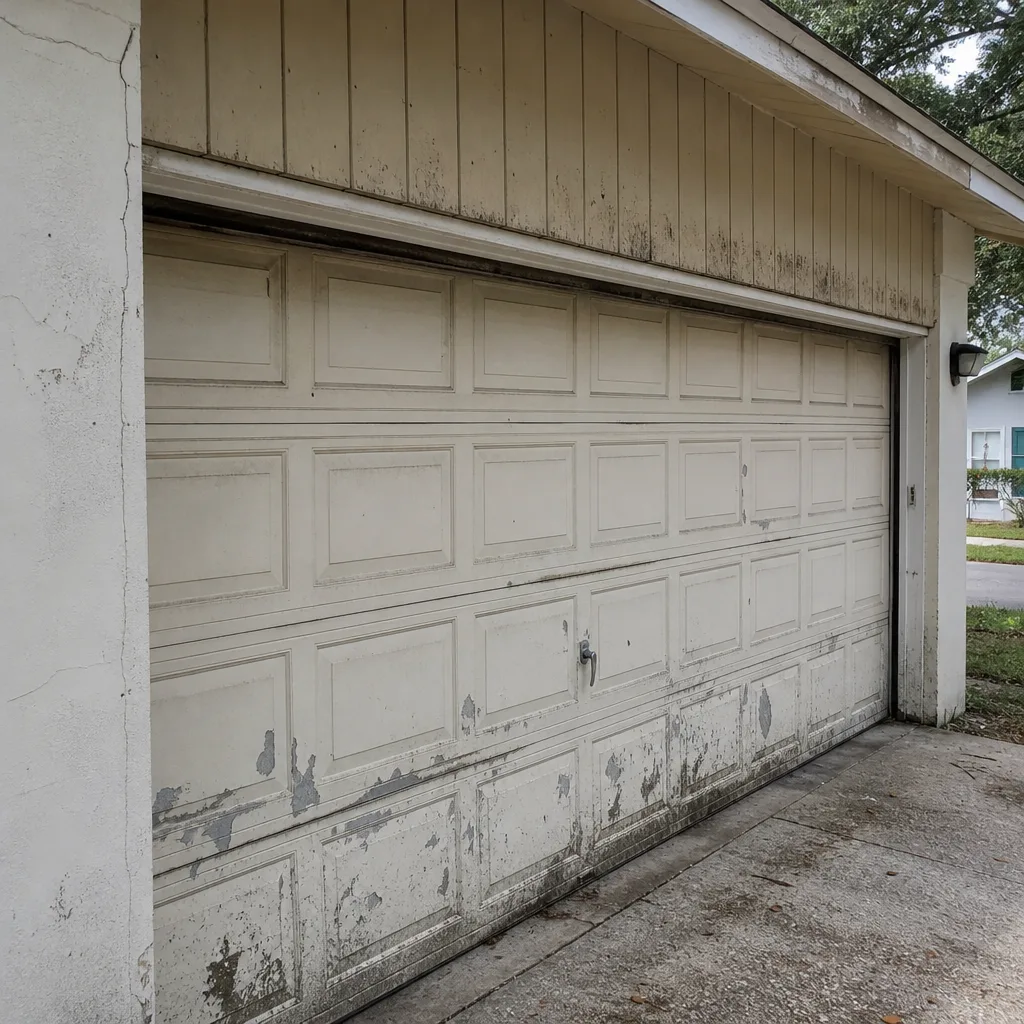 Before
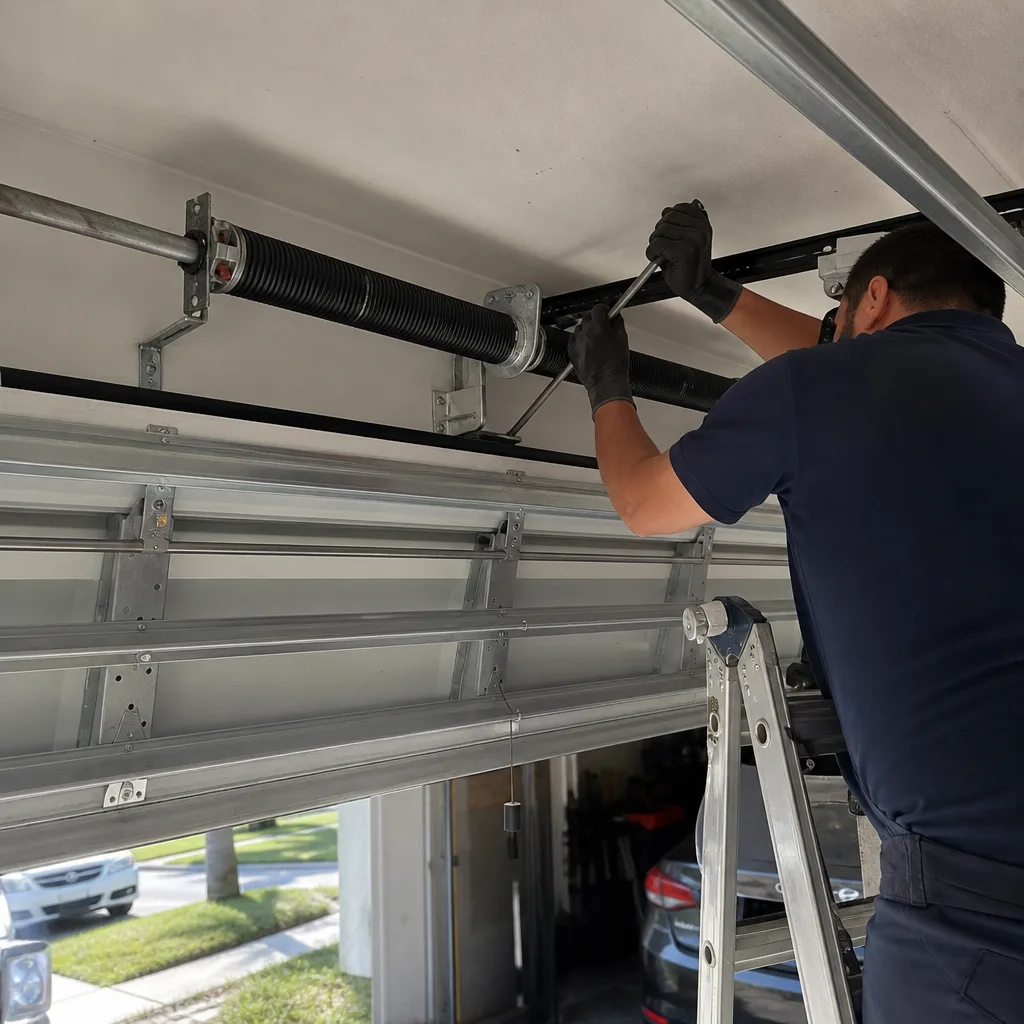 After
After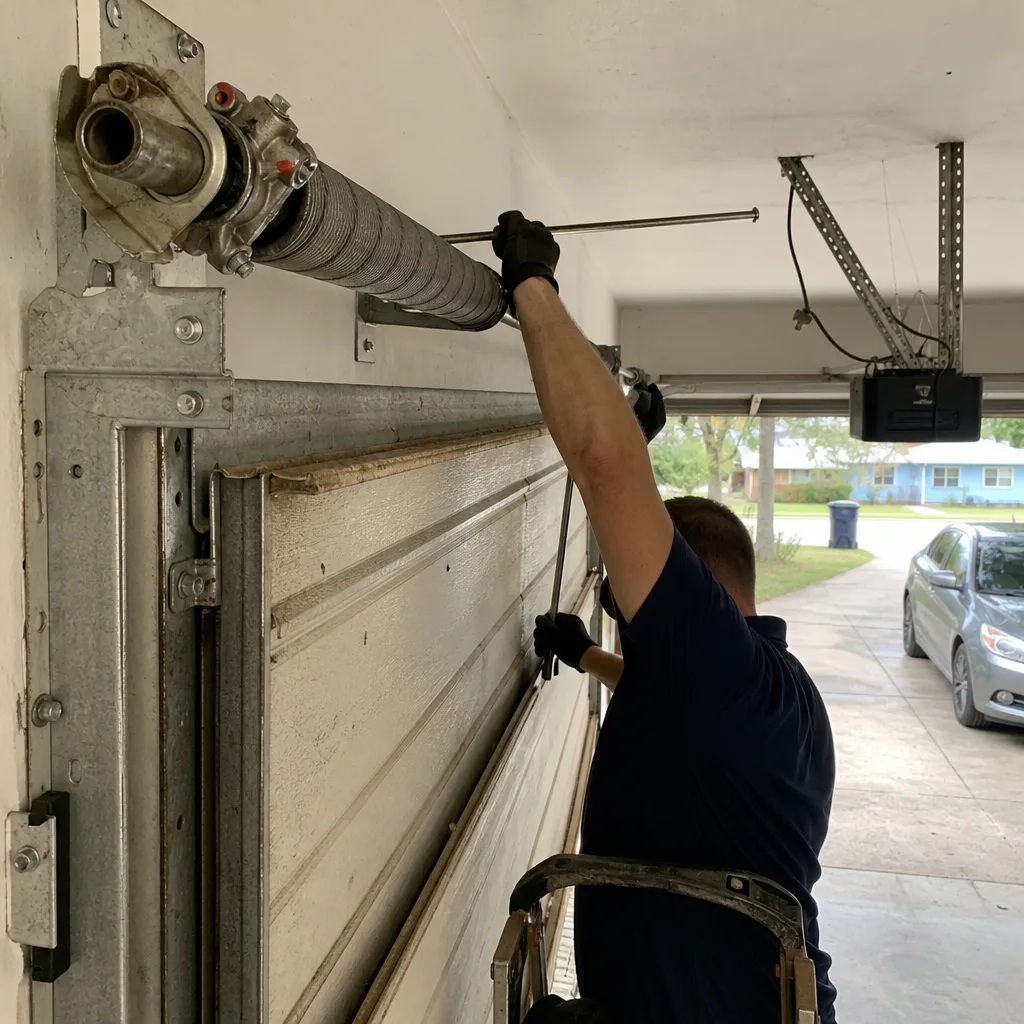 Before
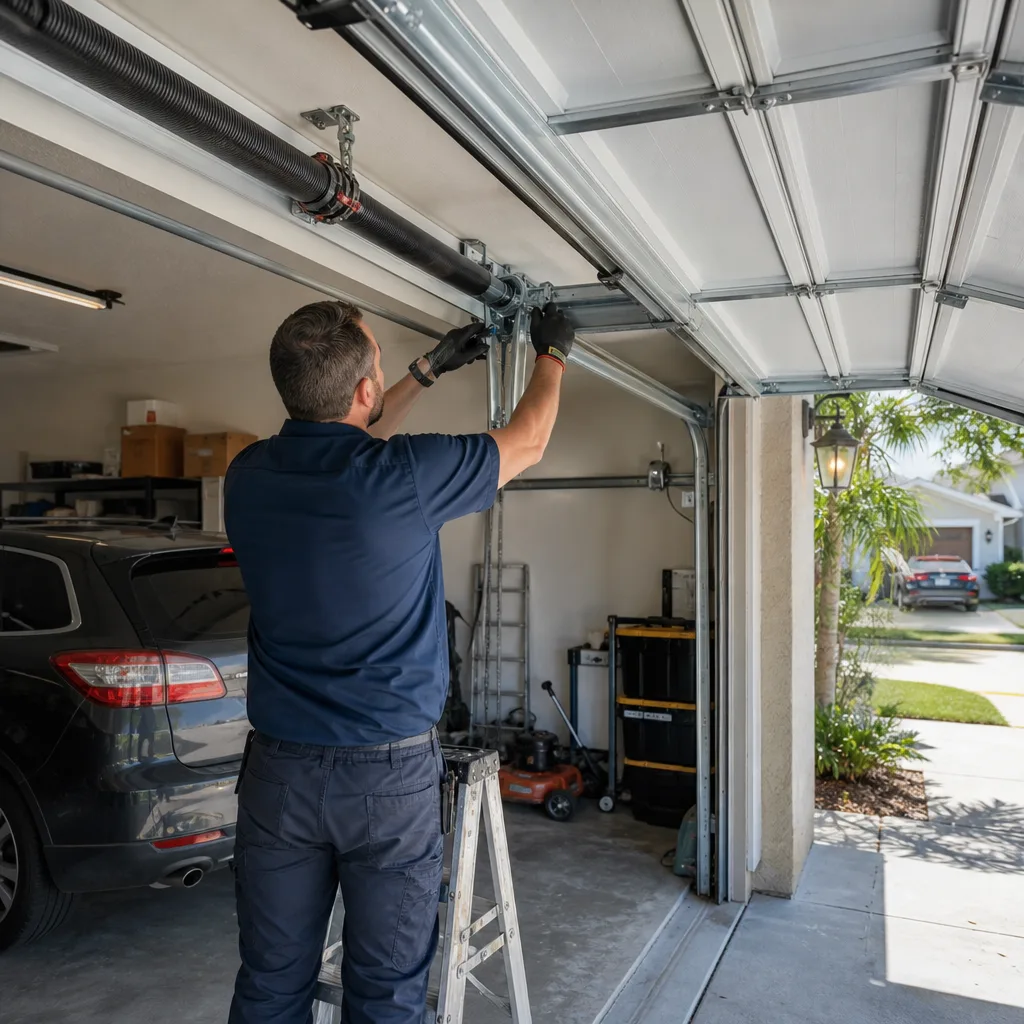 After
After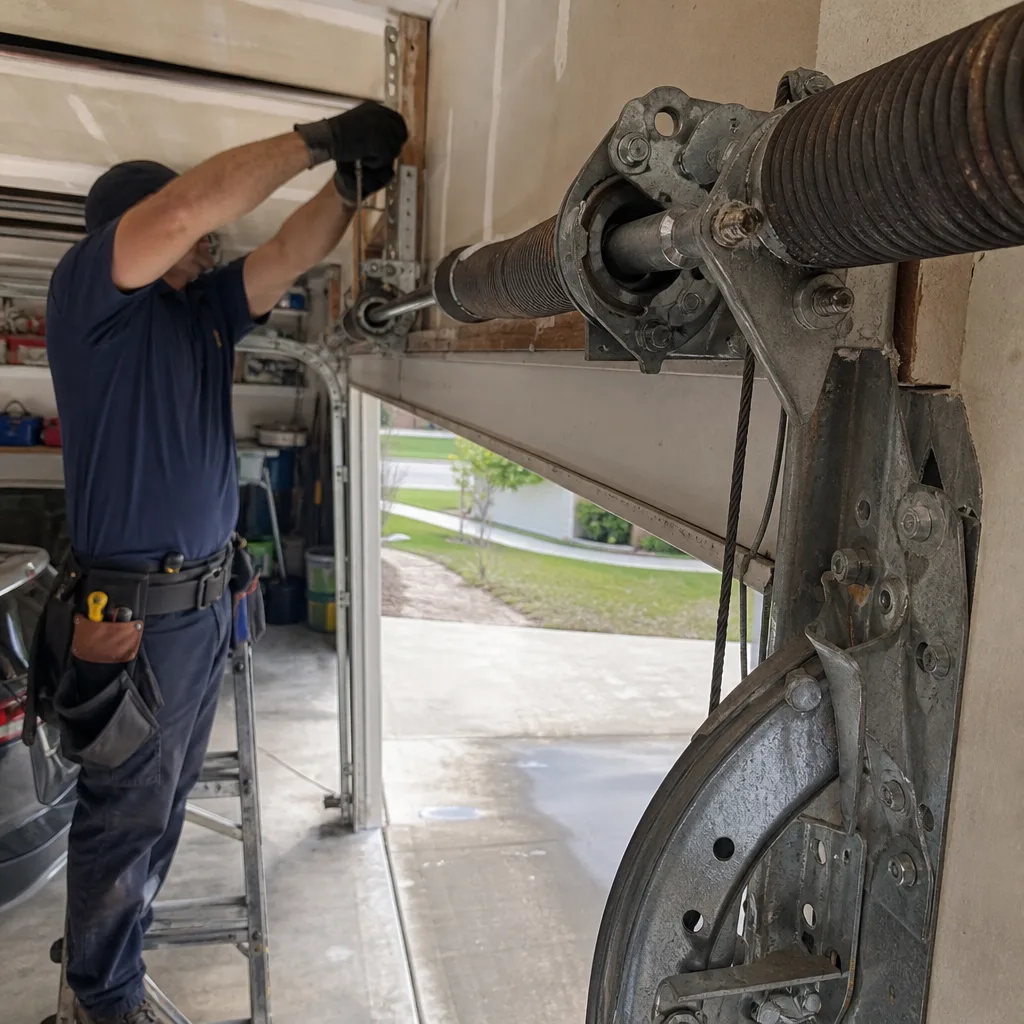 Before
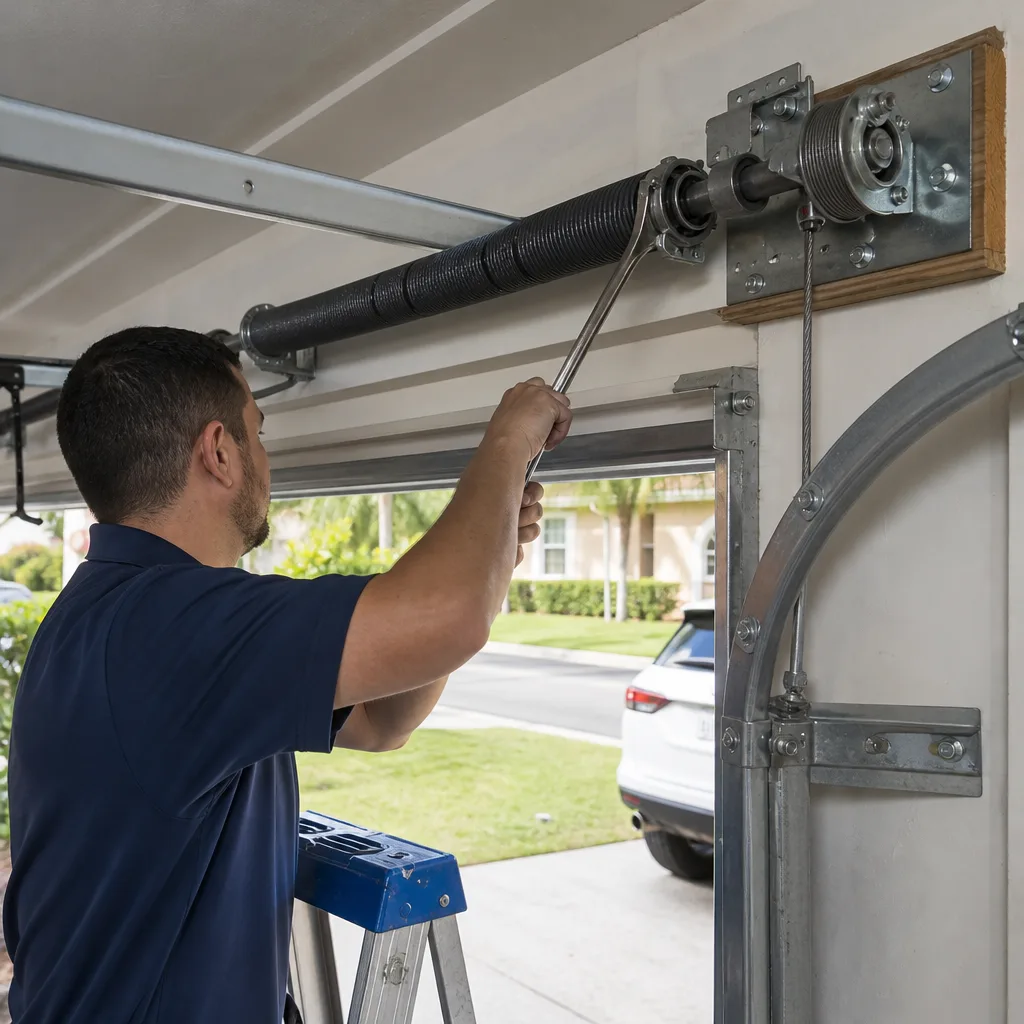 After
After